The Roger Tory Peterson Estuary Center
RTP Estuary Center
Hours & Admission
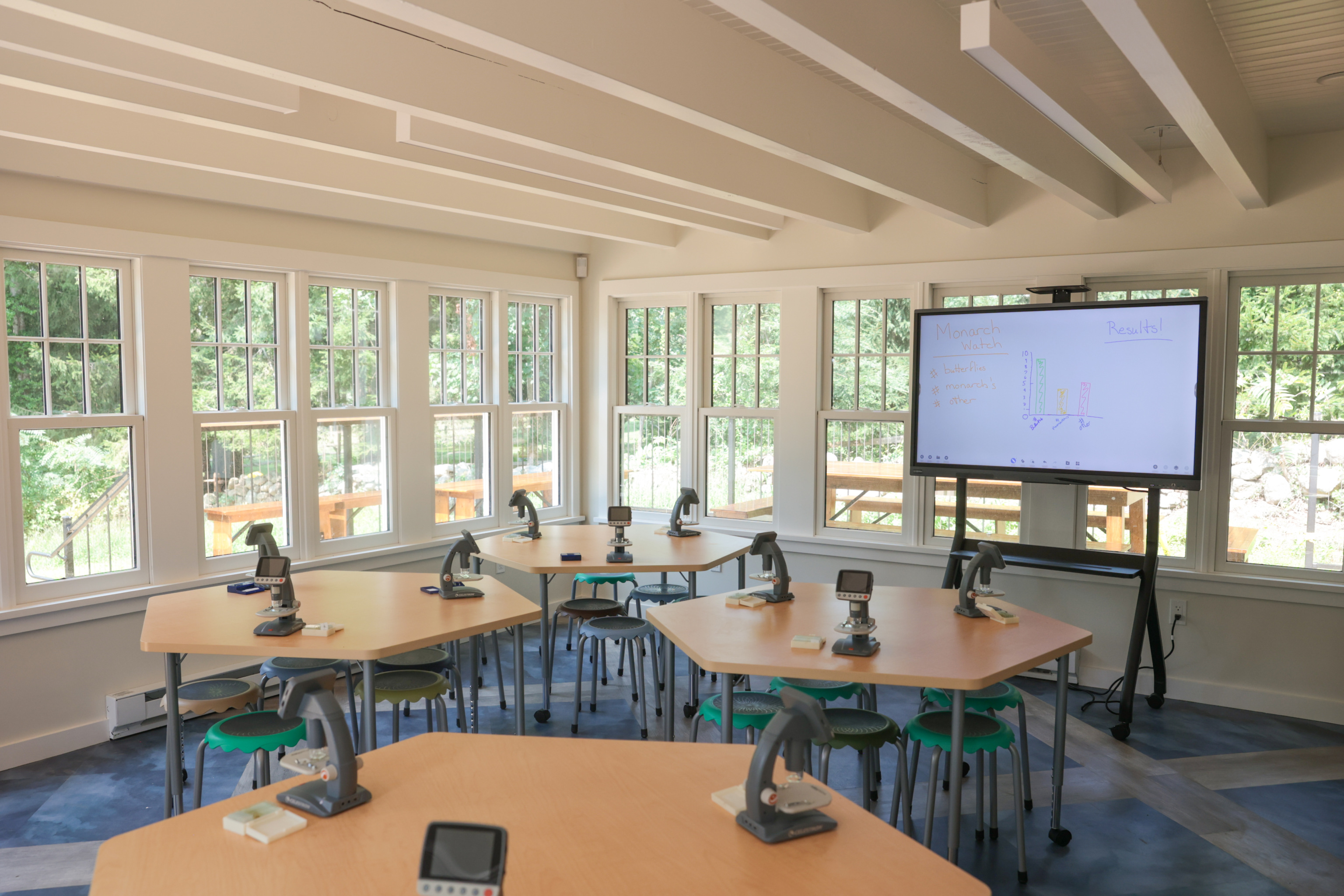
- Eleanor P. Robinson Environmental Education Center
- Monday - Friday 9am-4pm; Saturday's by request
- Closed Sunday
- Kelsey Family Children's Innovation and Discovery Center Open for programs, Call to schedule
- Sanctuary open dawn to dusk
On This Page
Property Overview
The Roger Tory Peterson Estuary Center, is located in the Connecticut River Estuary, an area that has been designated as one of the world’s “Last Great Places.”
At a Glance
- 5.25 acres
- 149 bird species
- Pollinator and Bird Gardens
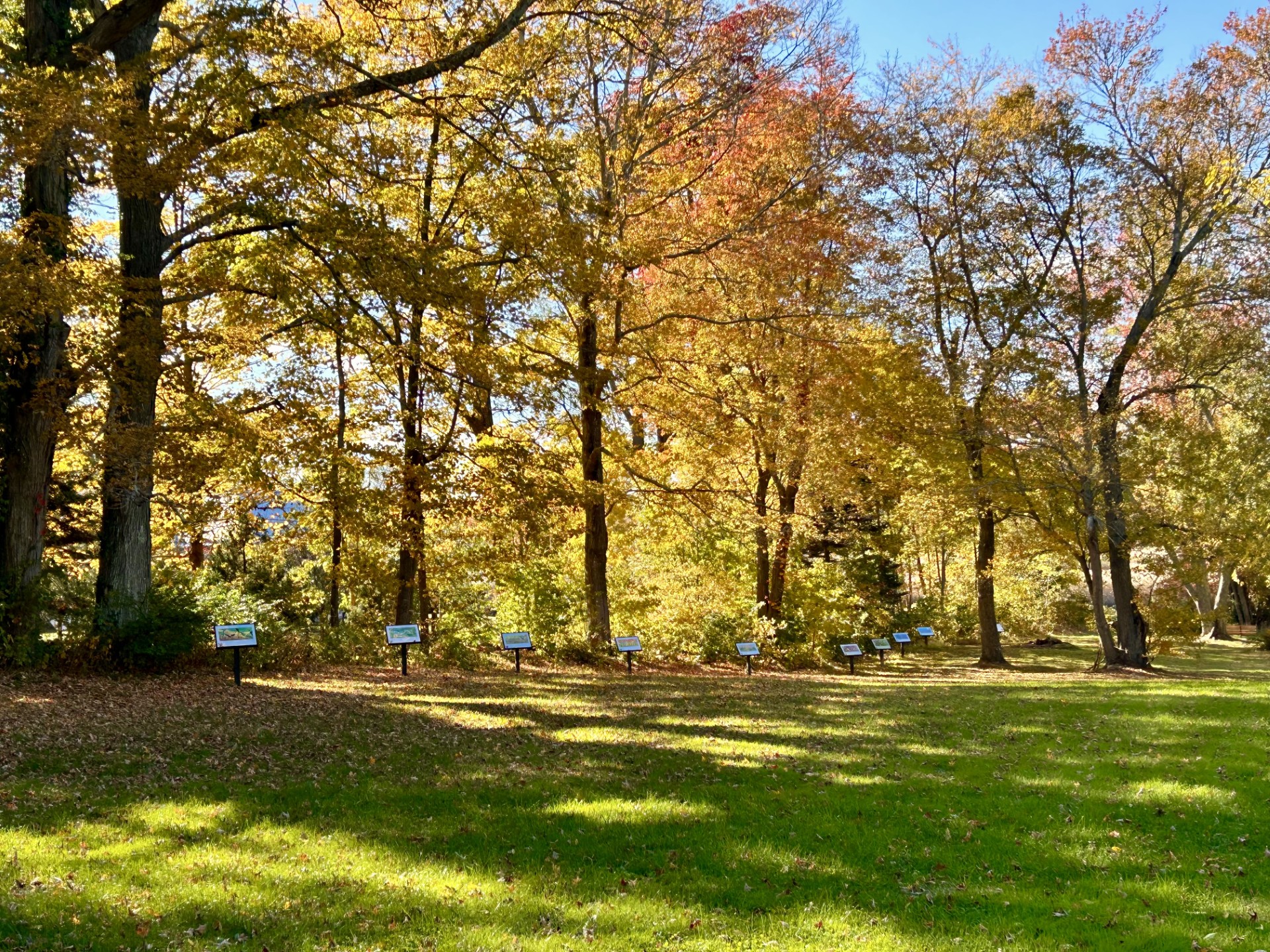
- Storyboard Walk
- Accessible River Walk - Coming Soon!
- Air Quality Monitoring
Trails & Terrain
Visitors are welcome! Planning is underway for an accessible “River Walk” along the perimeter of the sanctuary. Most of the grounds can be accessed by foot, and the terrain is fairly level and open.
Habitat
Inland wetlands, Riparian Zone, Marsh, Open Lawn, Wooded Edges, Native Plant and Pollinator Gardens
About Our Center
We are committed to conserving and caring for the estuary ecosystem and its watershed by connecting people with nature through environmental education, scientific research, and meaningful outreach. By inspiring curiosity and stewardship, we help protect these extraordinary landscapes so they can be enjoyed and sustained for generations.
The mission of the Roger Tory Peterson Estuary Center is the conservation and stewardship of the coastal and estuarine environment of southeastern Connecticut, with a particular focus on the Connecticut River Estuary and its watershed.
Roger Tory Peterson (1908–1996) was one of America’s most influential naturalists, artists, and conservationists. Best known for revolutionizing bird identification through his Field Guide to the Birds, Peterson inspired generations to observe, understand, and protect the natural world. His artwork, writing, and advocacy played a pivotal role in advancing wildlife conservation and environmental awareness worldwide.
The Roger Tory Peterson Estuary Center is proudly named in his honor, reflecting his enduring legacy of conservation, education, and stewardship.
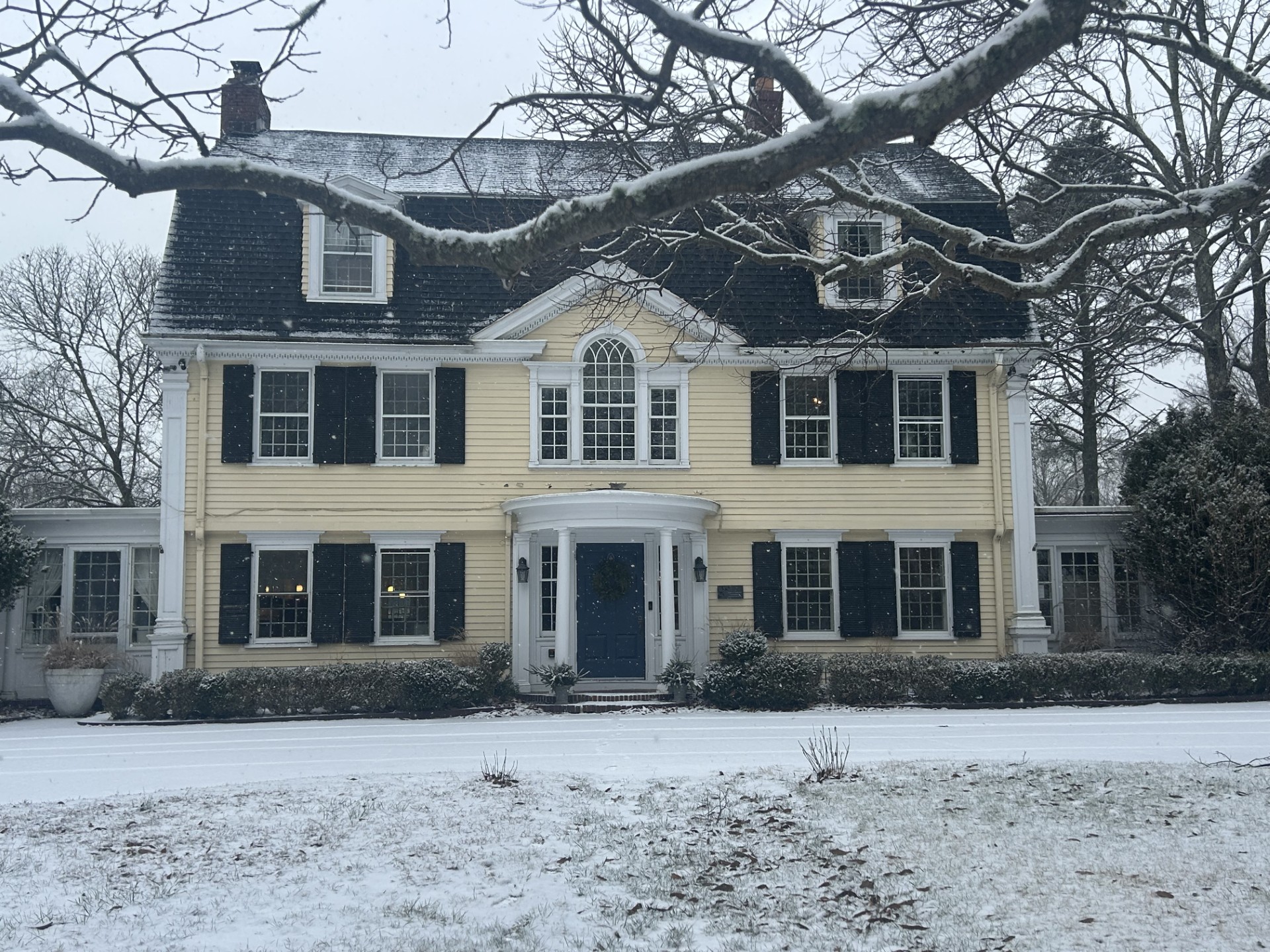
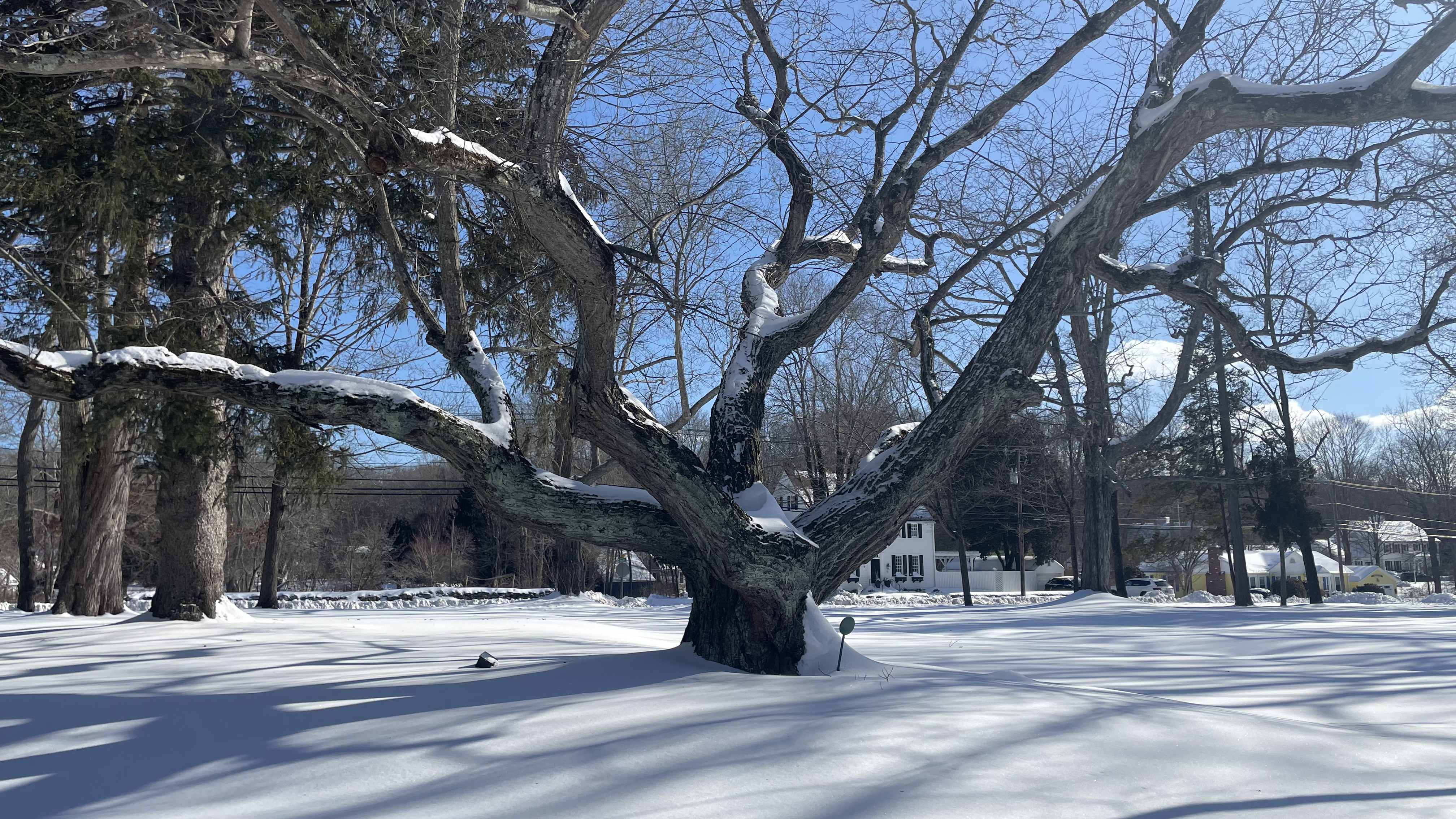


Roger Tory Peterson Estuary Center Sanctuary
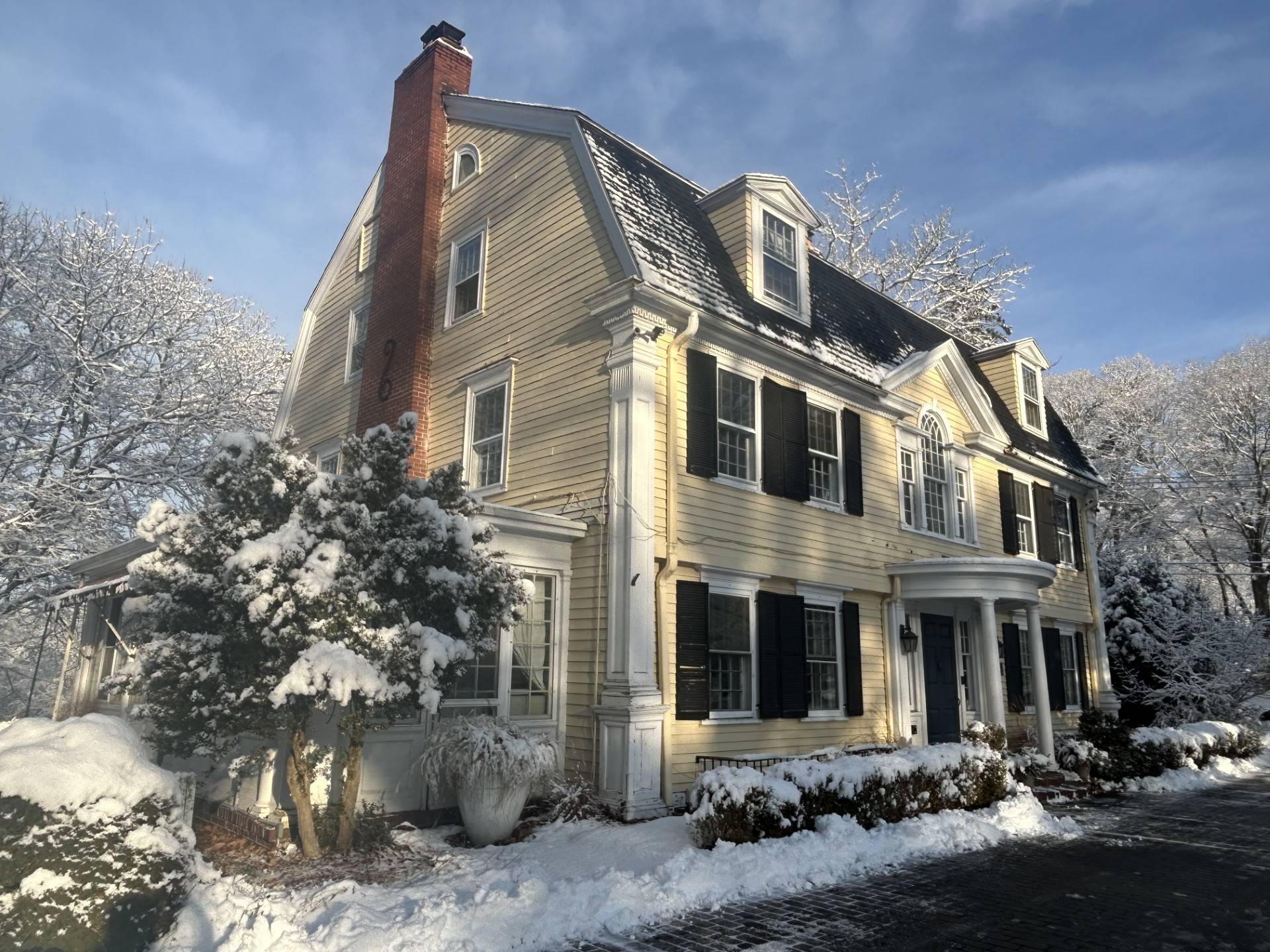
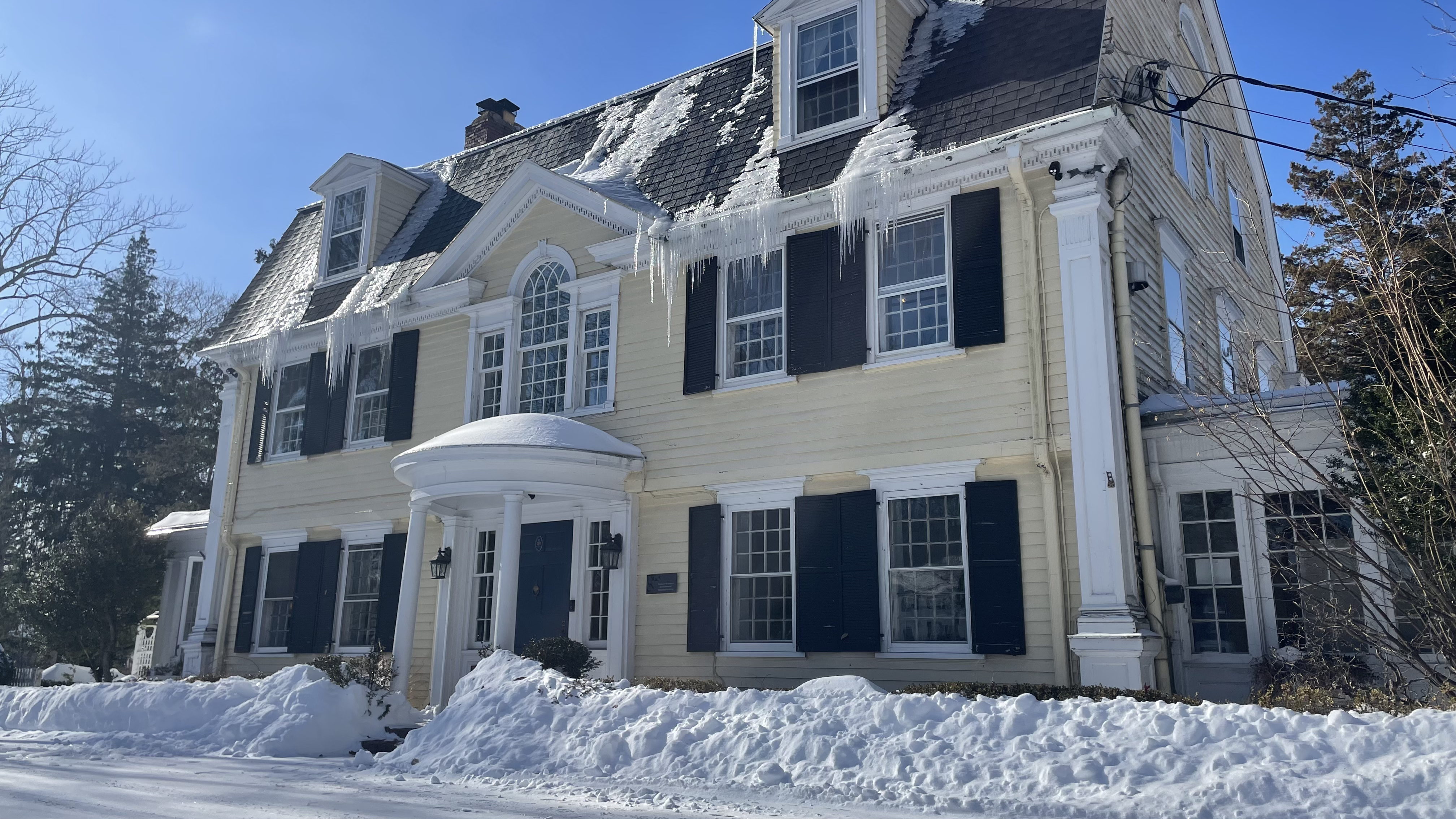
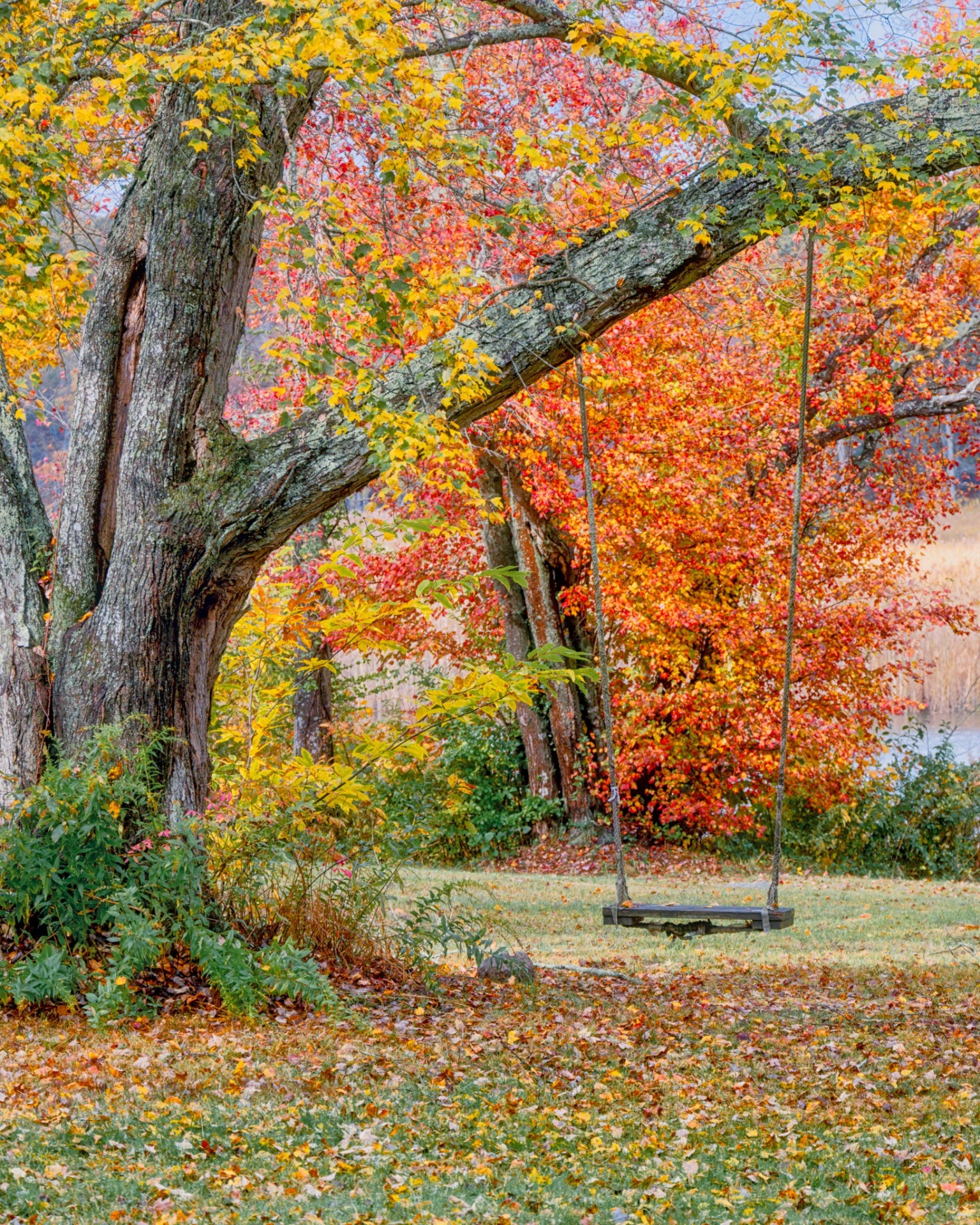
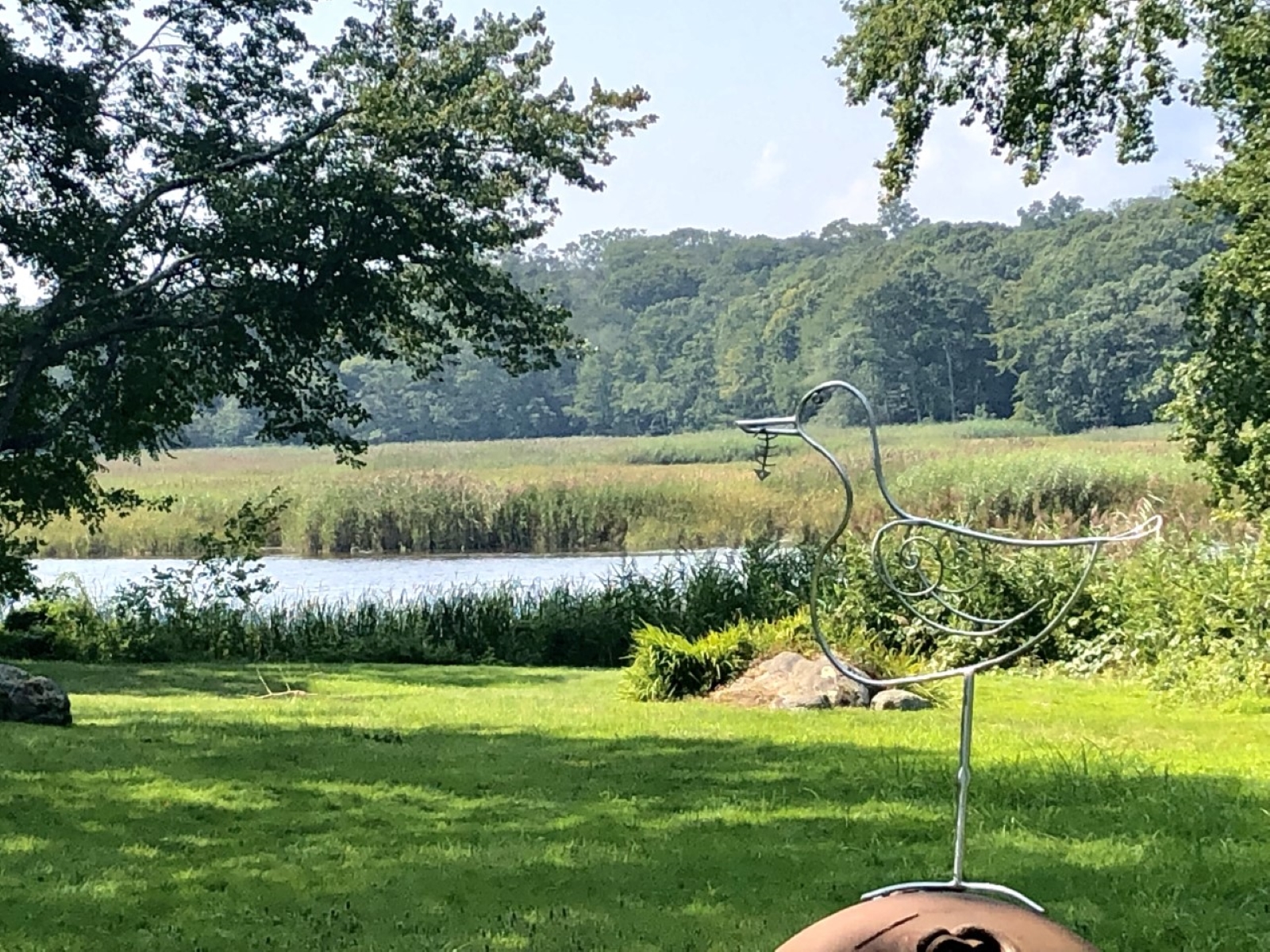
Located on the banks of the Lieutenant River, a tidal tributary of the Connecticut River, with a diverse array of habitats, sunken garden, native and pollinator plants, and beautiful trees. The Connecticut River estuary is one of the most important ecosystems in the world, and the Lieutenant River is a small but important part of that.
Connecticut Audubon acquired this property as the home for its Roger Tory Peterson Estuary Center in 2020. The goal is to restore native nesting, foraging, and stopover habitat for birds. The sanctuary serves as a demonstration site for how people can improve their own backyard habitats and garden and is a wonderful spot for wildlife observation.
Trail Rules
Walkers and birders welcome
Trails open dawn to dusk
For the protection of our wildlife,
the following are prohibited:
- Dogs
- Drones
- Hunting, Trapping, or Fishing
- Collecting of any kind
- Dumping or Littering
- Camping, or Fires
- Biking or other vehicles
844-WAXWING (844-929-9464)
Wildlife
Come enjoy the sanctuary and its diverse habitats—bring your binoculars, grab a chair, and watch the wildlife change with the seasons!
Birds
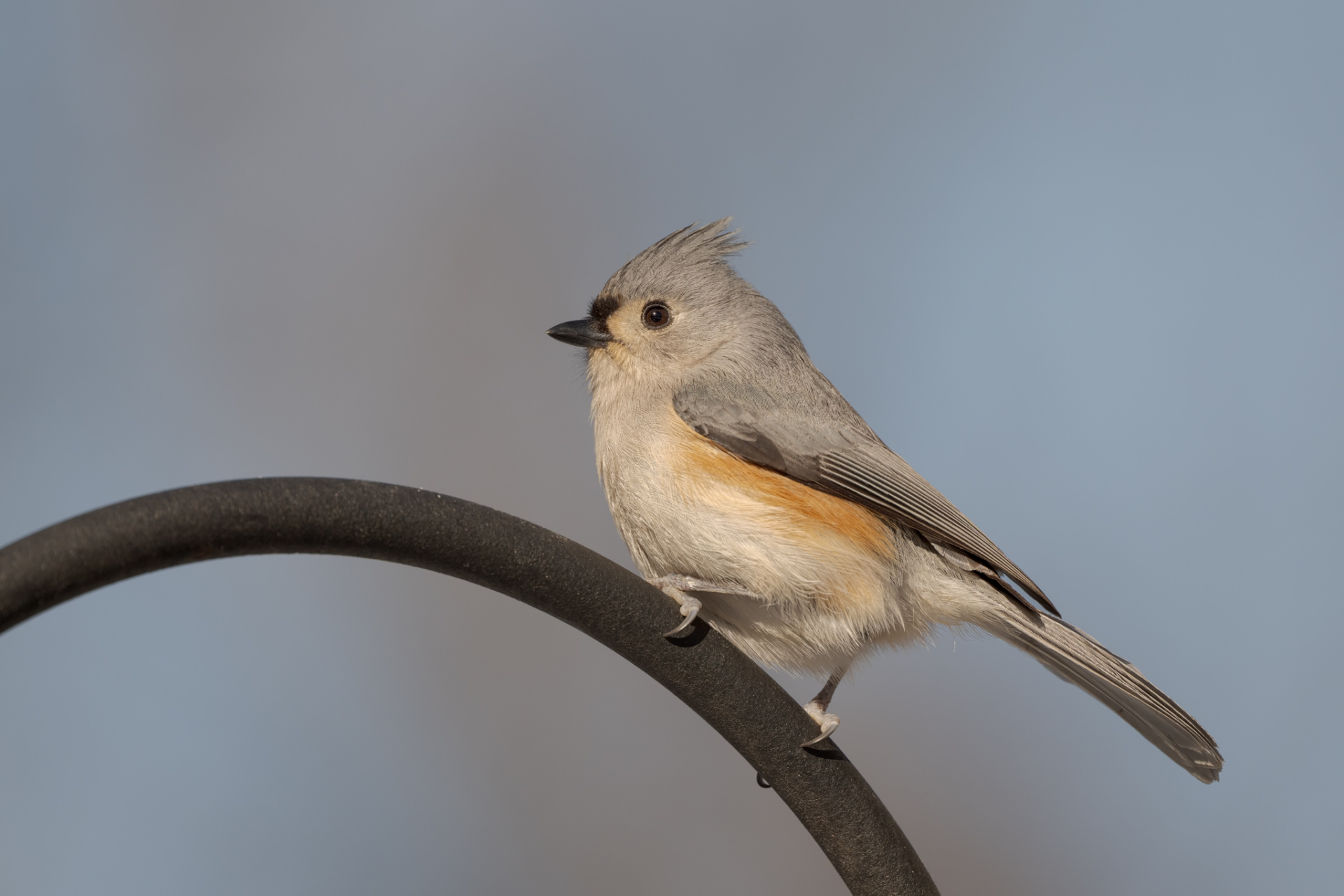
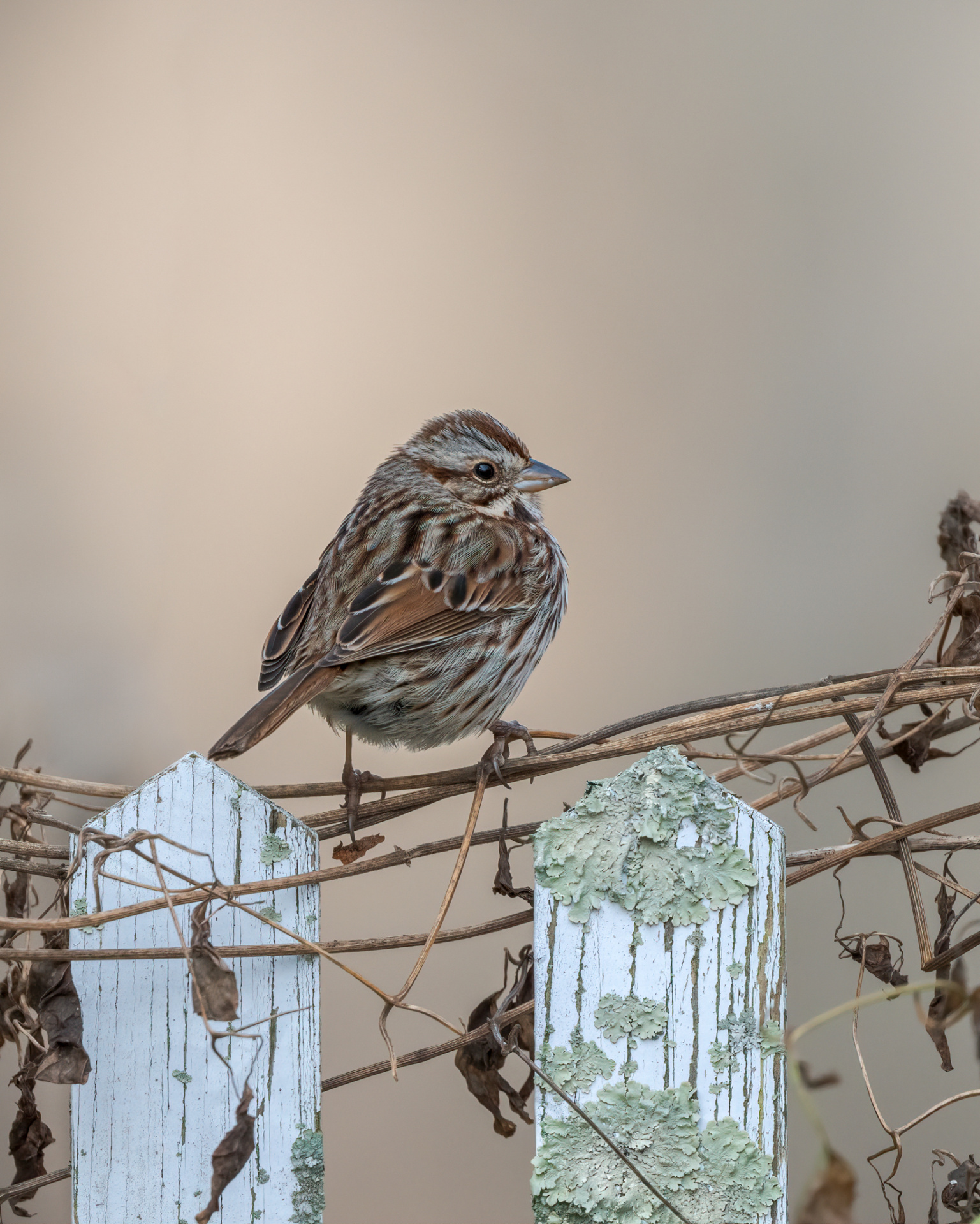
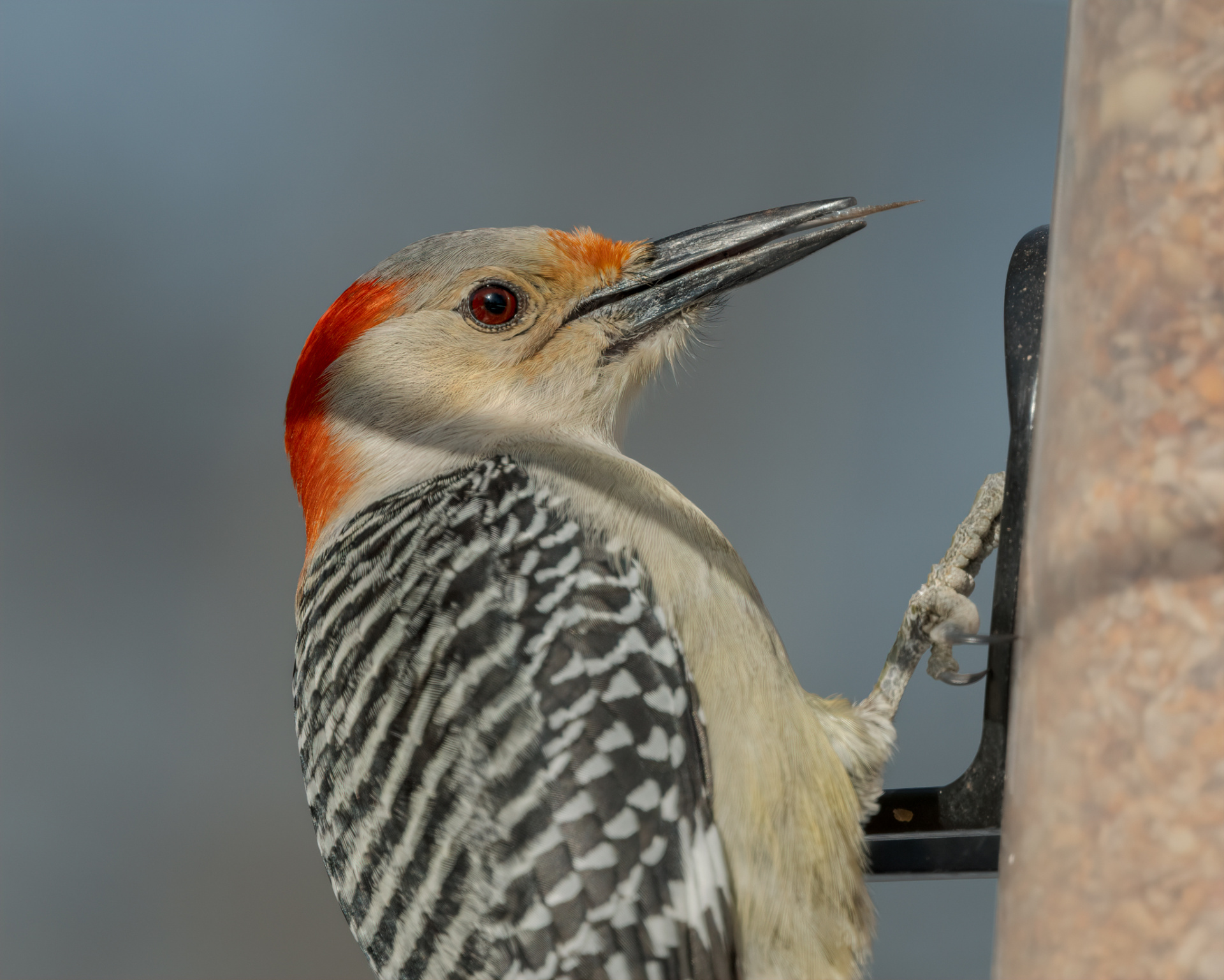
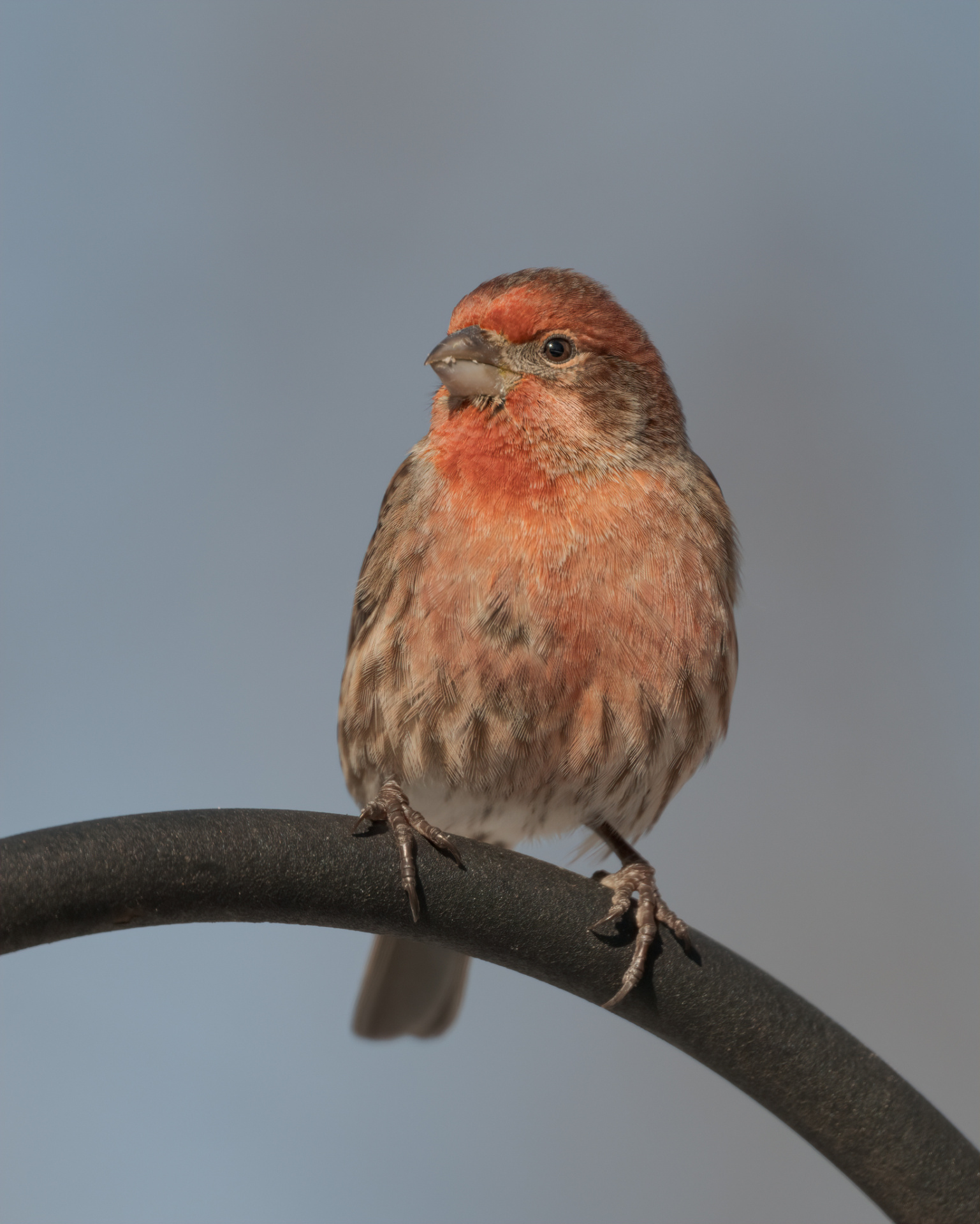
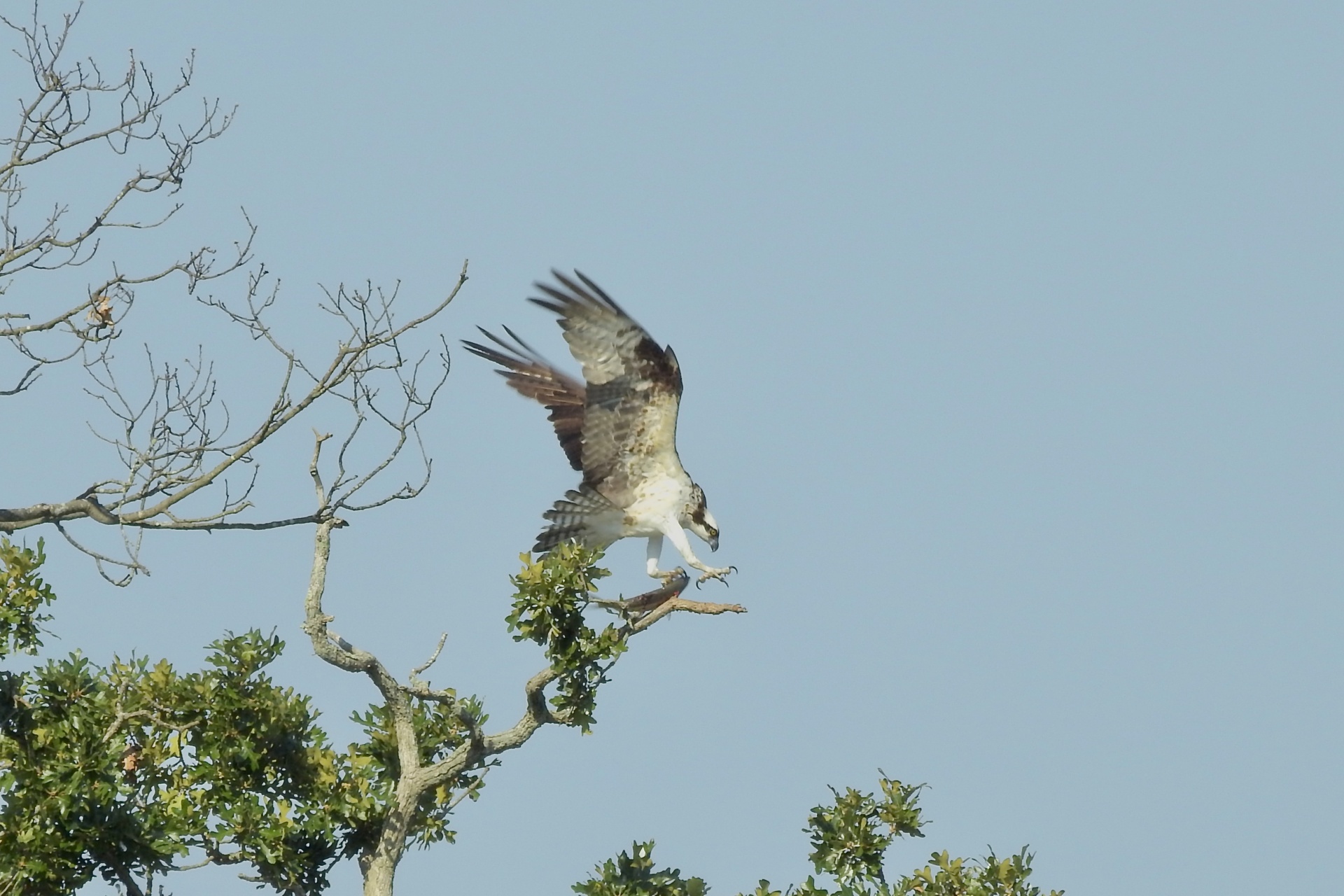
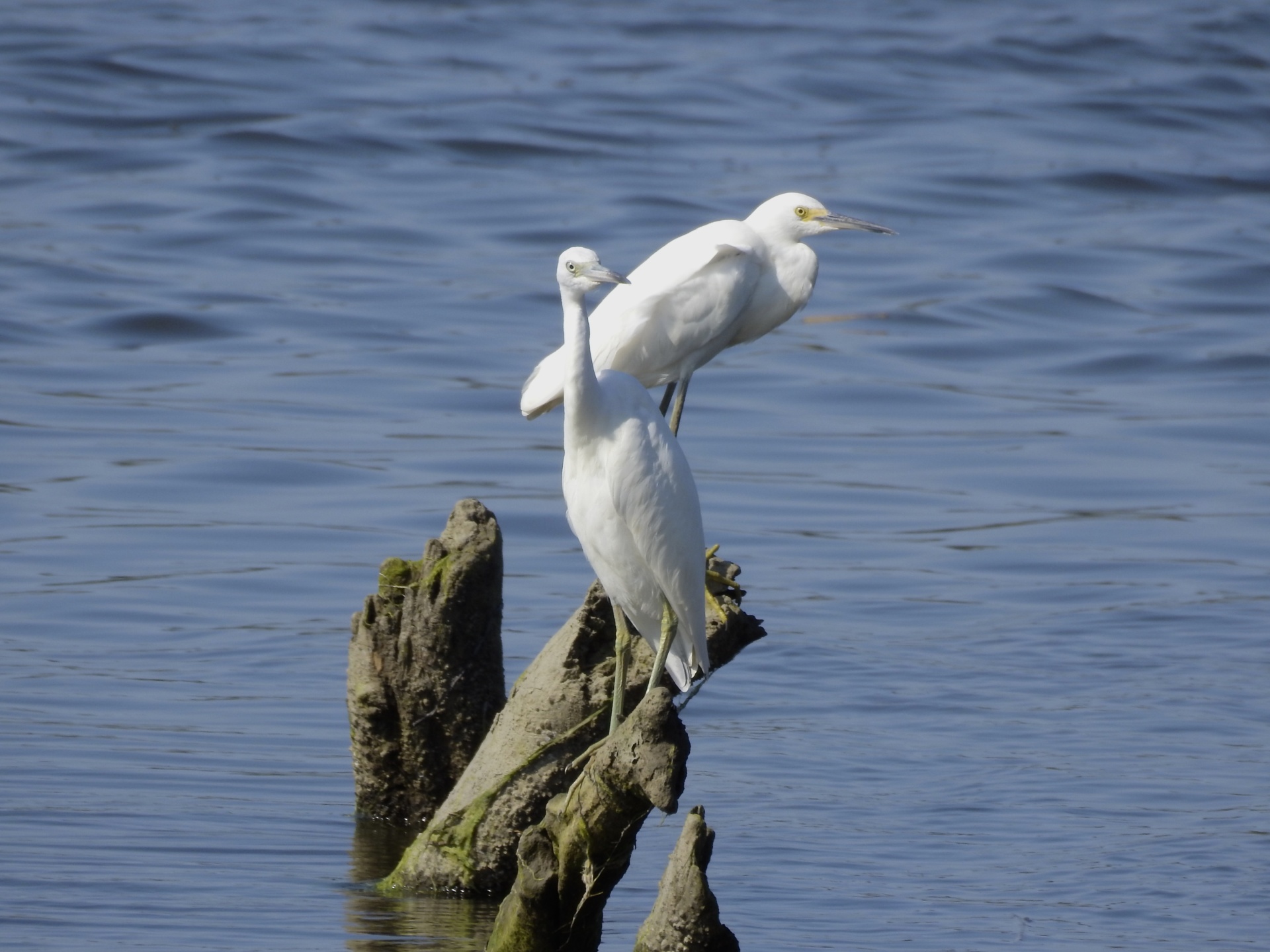
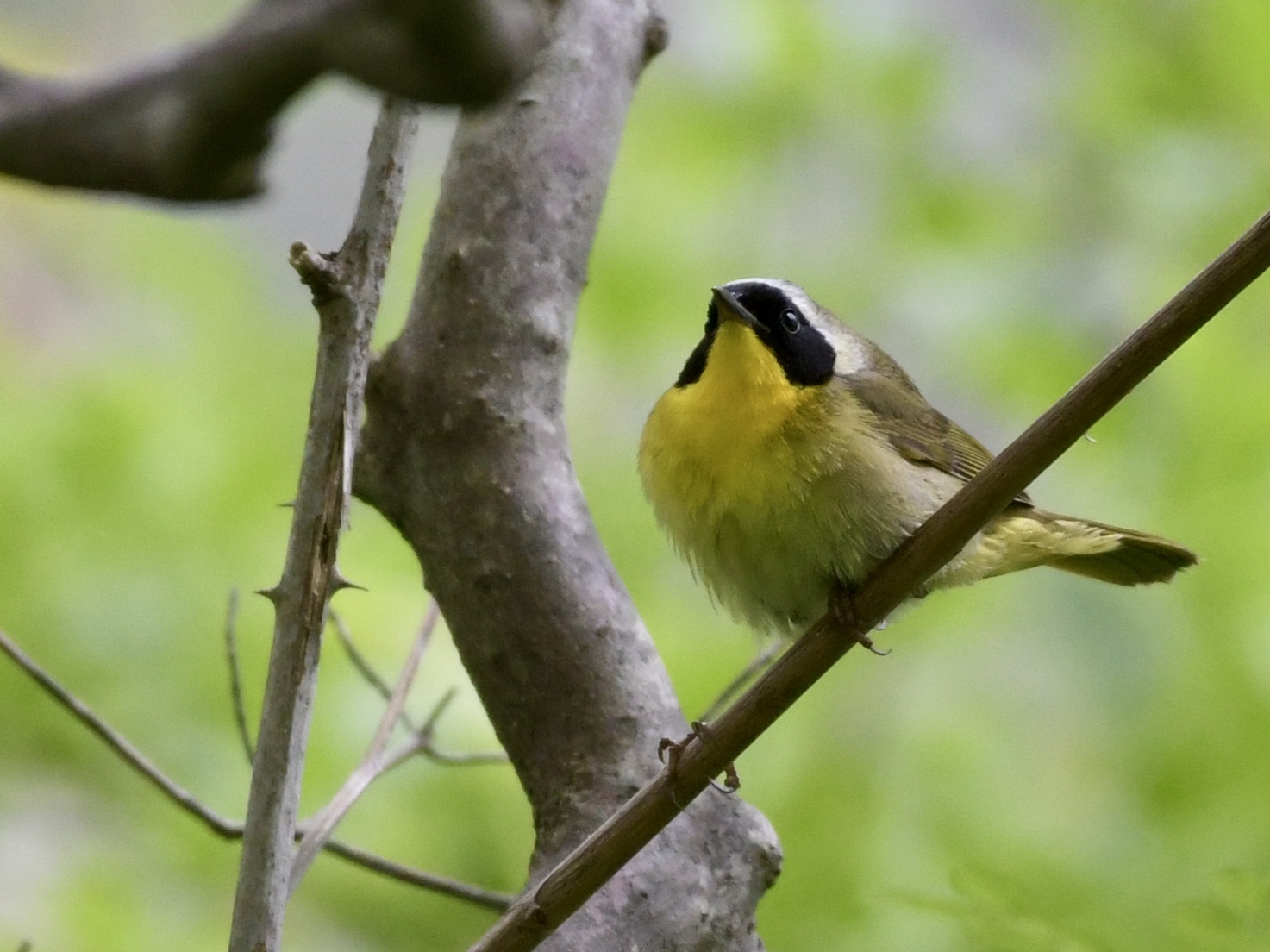
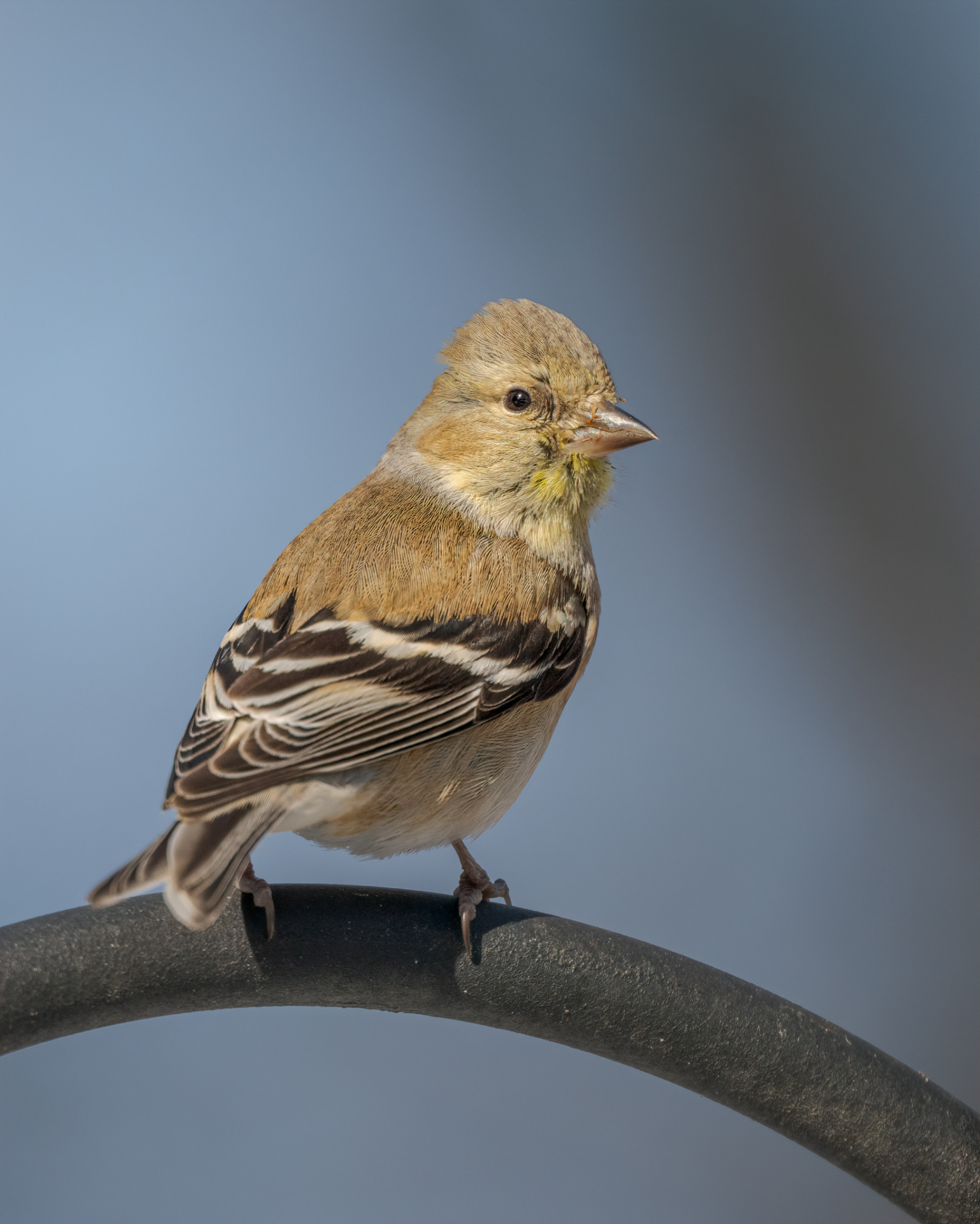
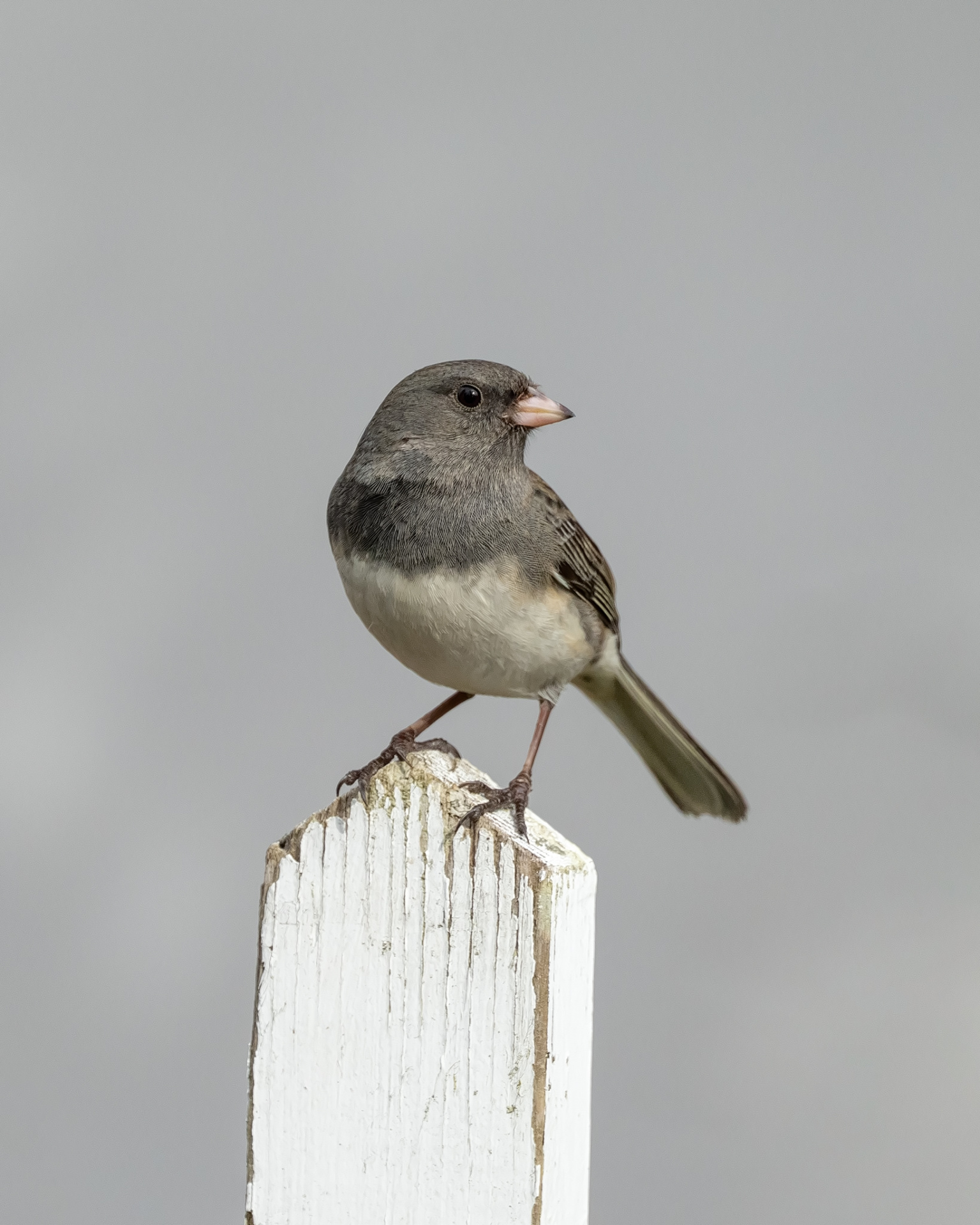
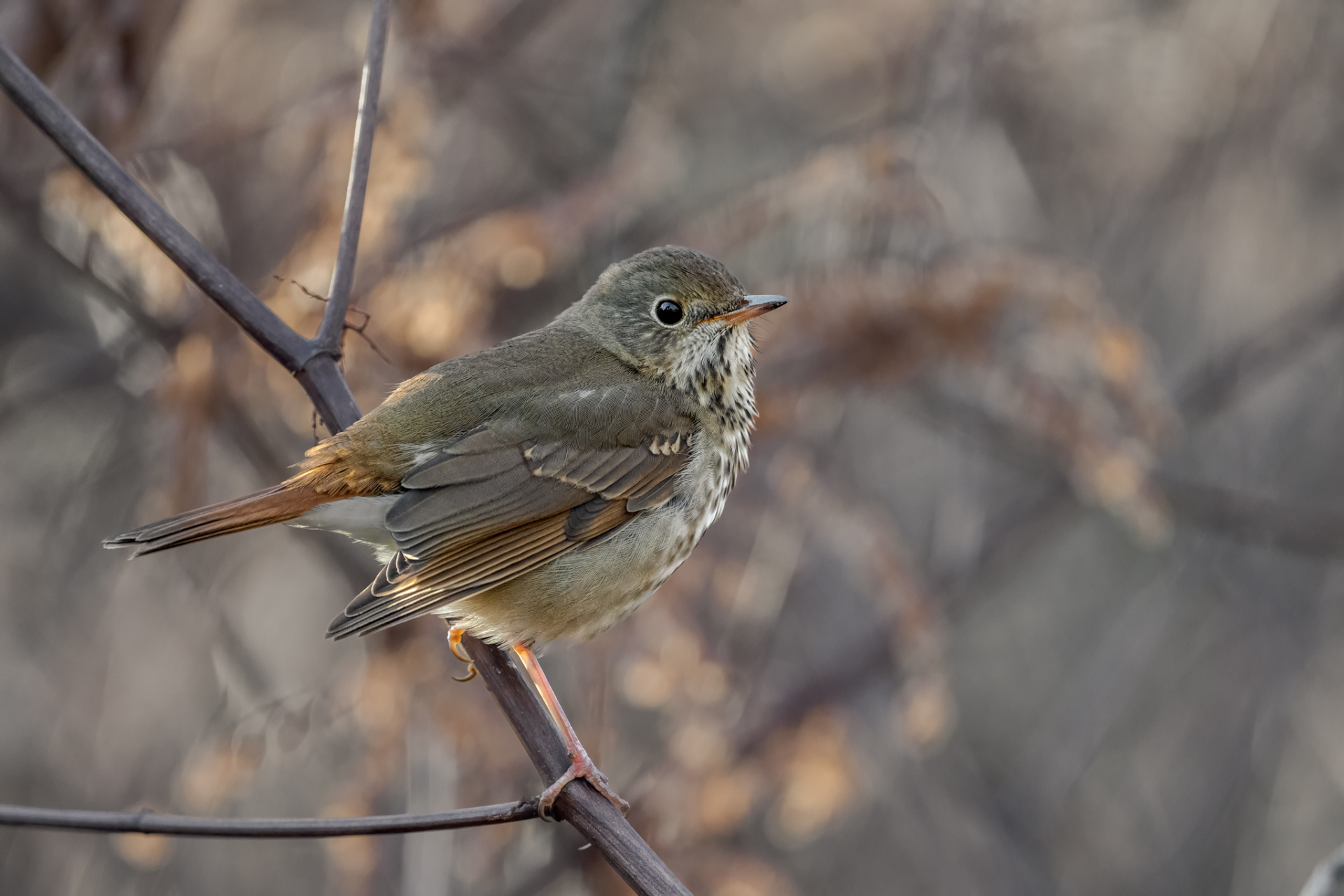
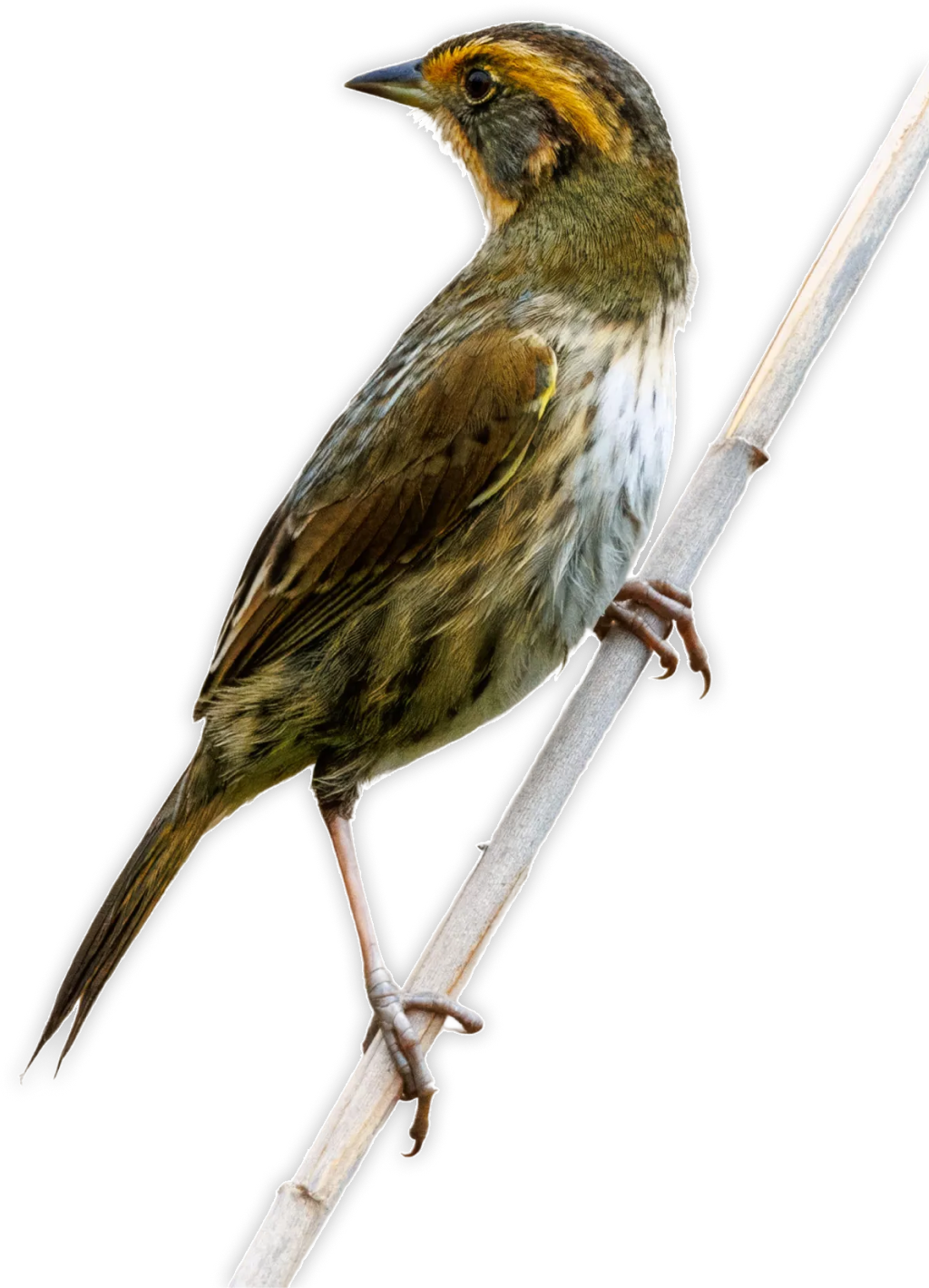
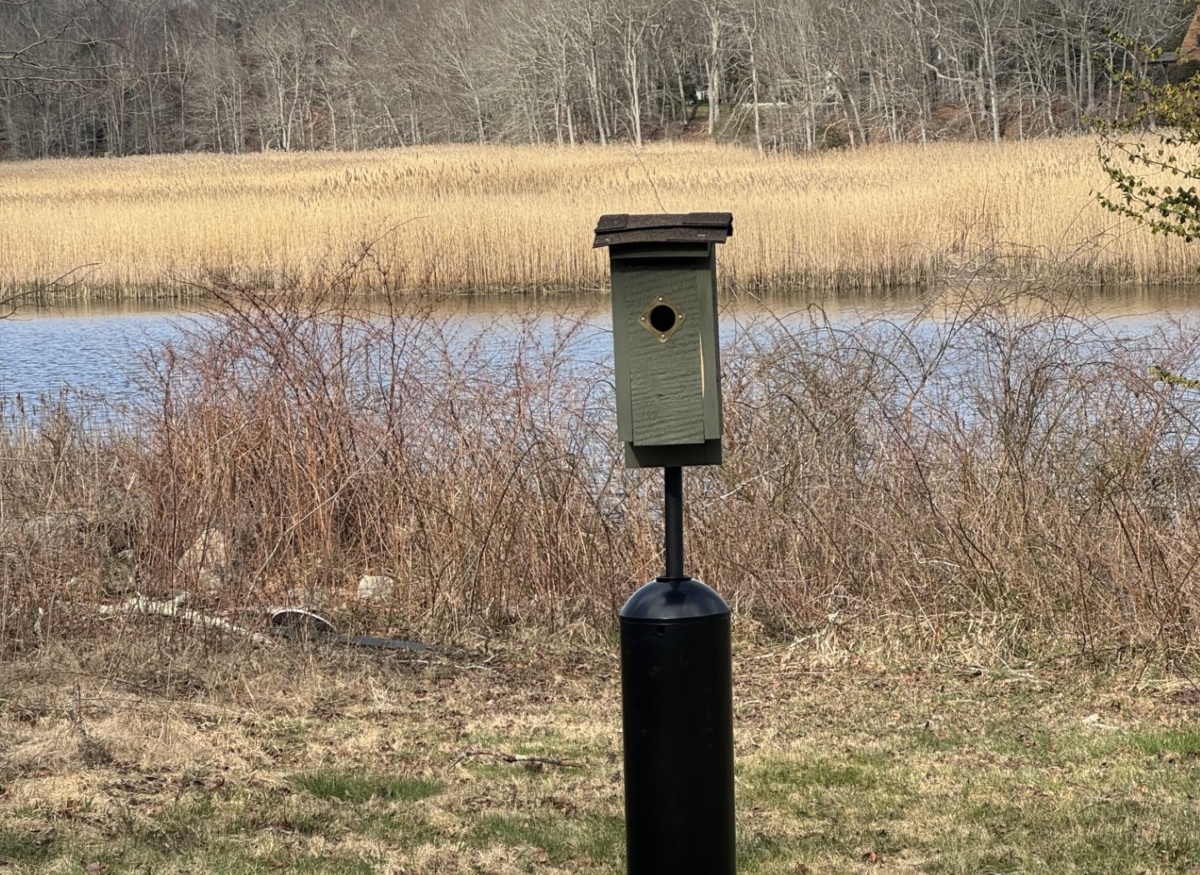
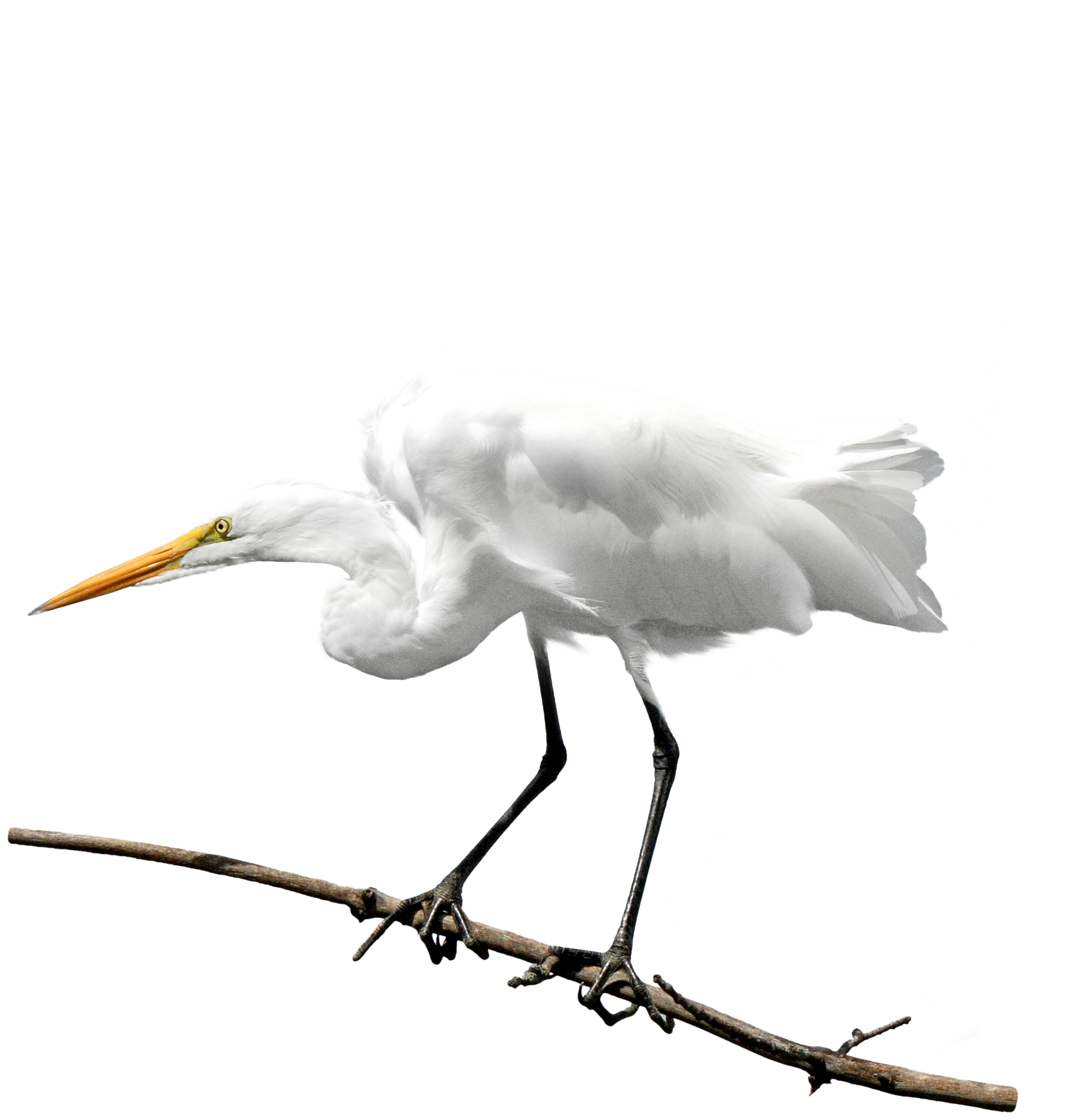
The RTP Estuary Center Sanctuary’s frontage along the Lieutenant River looks out over a tidal marsh and sits less than three-quarters of a mile from the Connecticut River. This prime location means visitors can see many of the same birds found along the river right from the sanctuary. Long-legged wading birds like Great and Snowy Egrets, soaring raptors such as Bald Eagles and Ospreys, a variety of waterfowl, and migrating songbirds are all regular sights throughout the year. Additionally, the sanctuary includes nest boxes for Eastern Bluebirds and Purple Martins, as well as an Osprey platform.
Other Wildlife
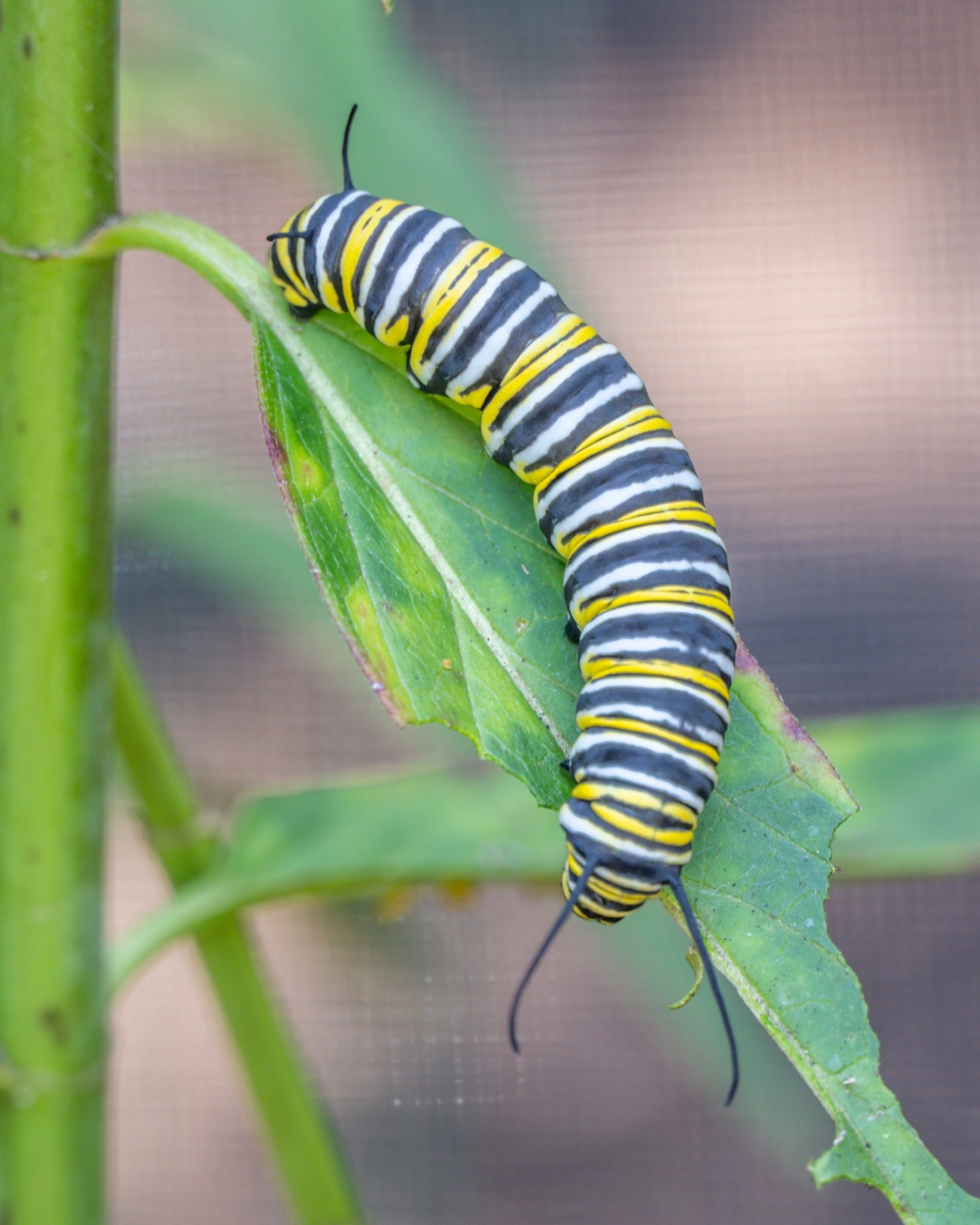
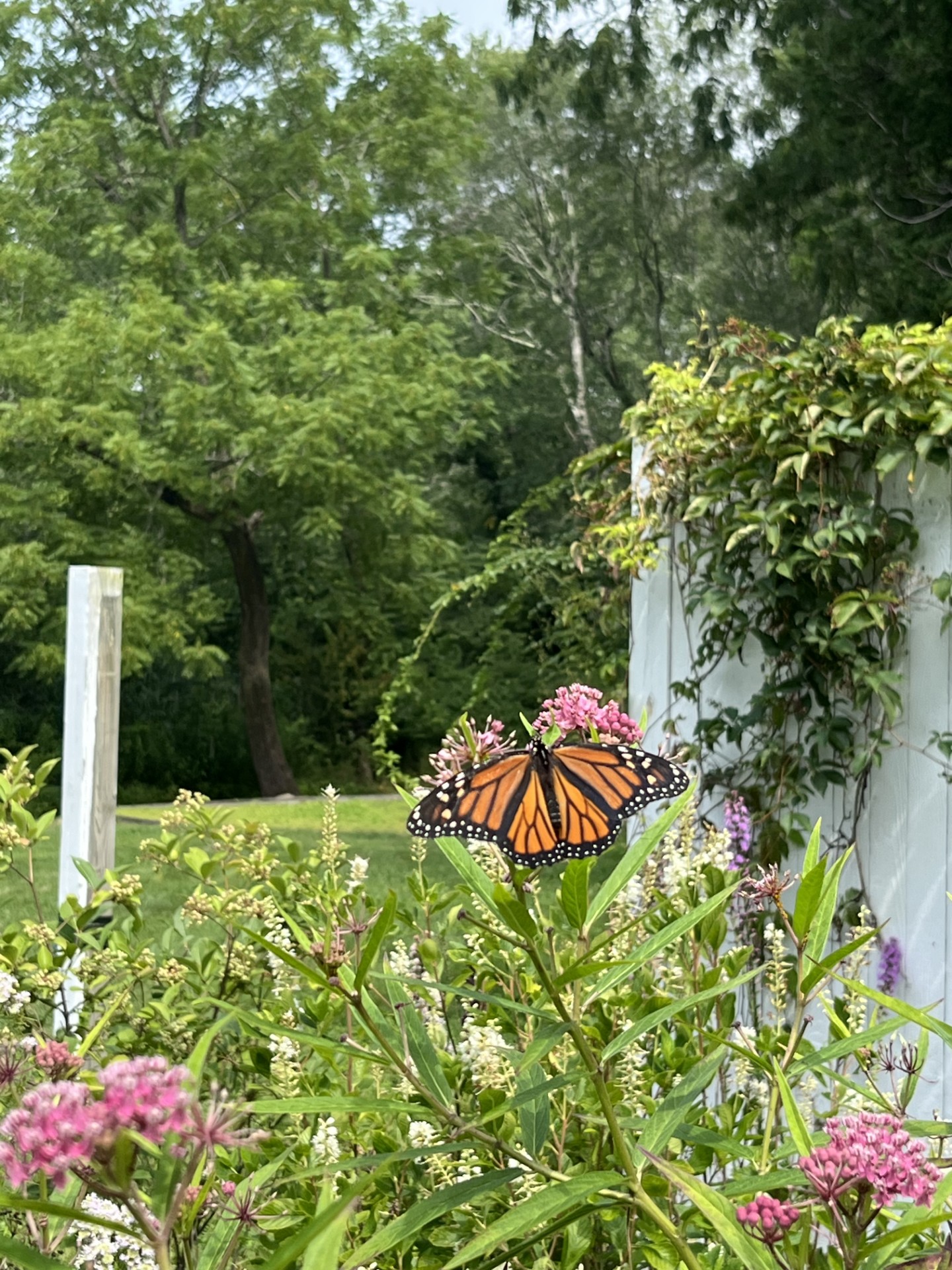
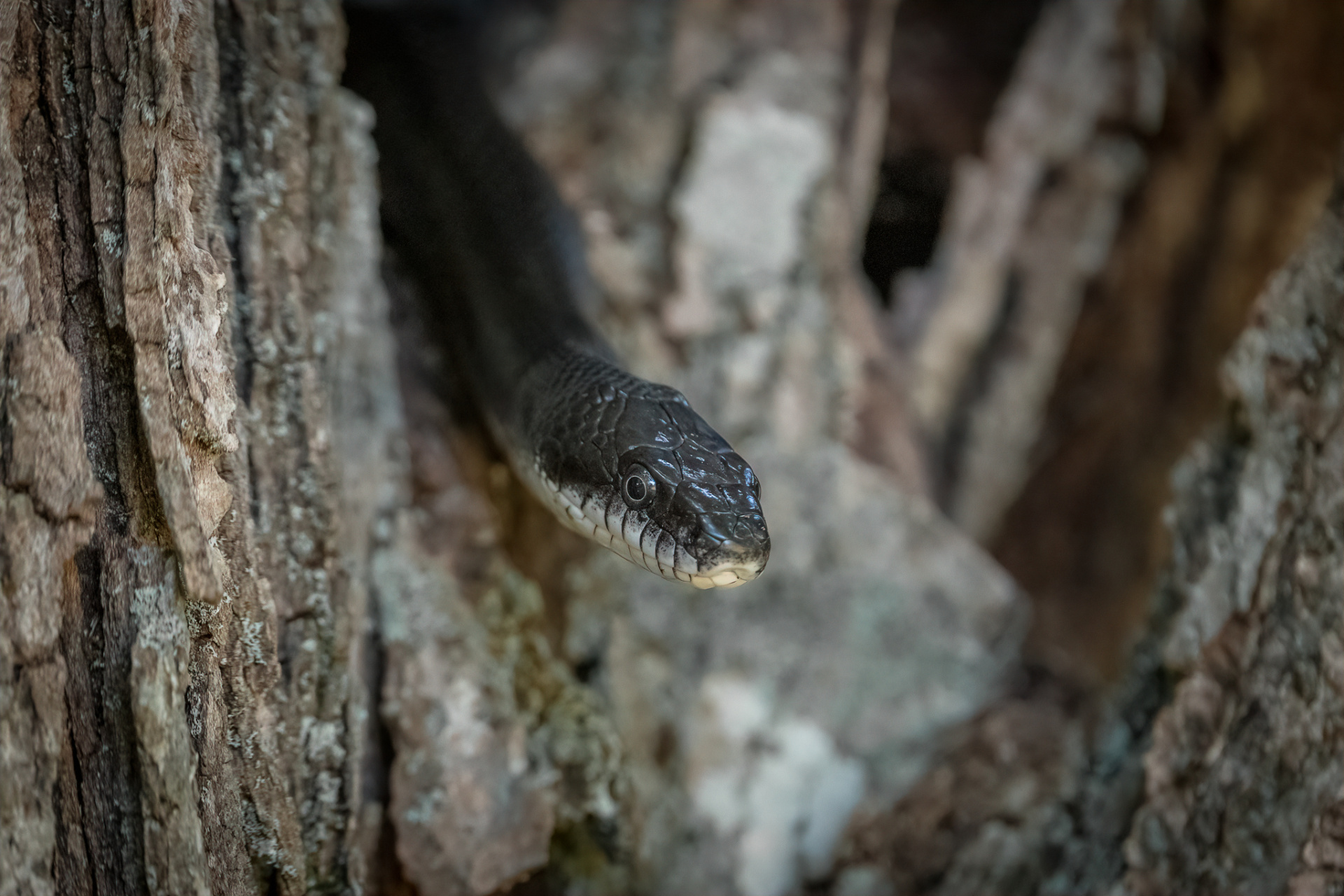
The RTP Estuary Center Sanctuary supports a remarkable diversity of wildlife. Eighteen mammal species have been documented, including the Gray Fox, a species in decline in Connecticut, as well as Fisher and Bobcat. Eight species of amphibians and reptiles have been recorded, including Common Snapping Turtles which have been observed nesting on the property, and Diamondback Terrapins, a species of concern in Connecticut. Native plantings throughout the sanctuary and gardens provide important habitat and resources for a wide variety of pollinators and other insects.