School Programs at RTP Estuary Center
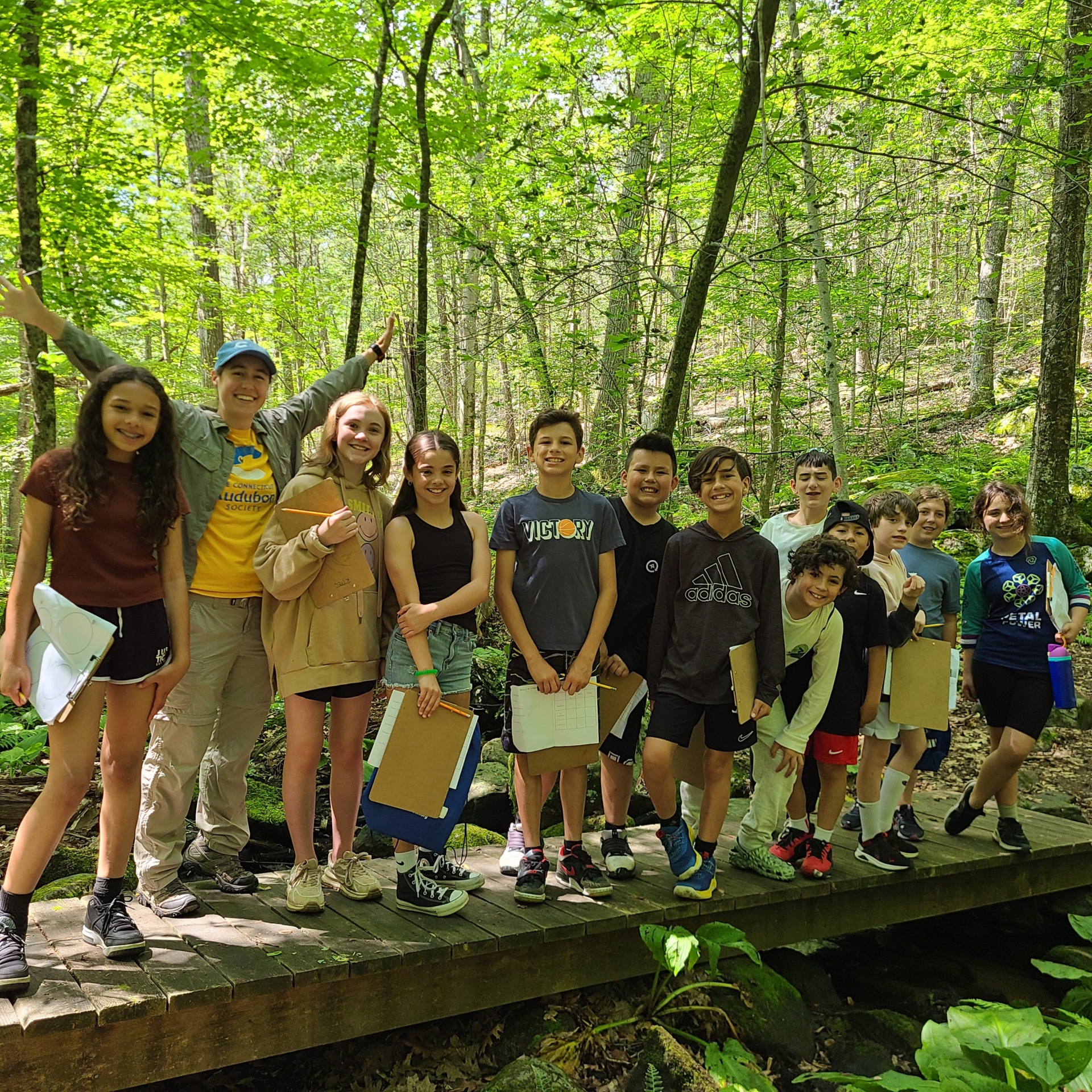
Our award-winning Science in Nature program is designed for K-12 students and consists of hands-on, inquiry-based activities that relate to earth and life sciences, ecology, conservation, and civic engagement. Each program is aligned with the Next Generation Science Standards (NGSS) and can take place at our center, your school, or a local park or natural space.
Choose from the Following Curricular Areas:
• Weather and Climate
• Landforms and Erosion
• Plant and Animal Adaptations
• Ecosystems
Each of our programs can be customized to best meet the needs of your location, students, and teachers. Additionally, each student is provided with their own data sheet or science journal to take home!
RTPEC School Programs
Pre-K
All About Birds
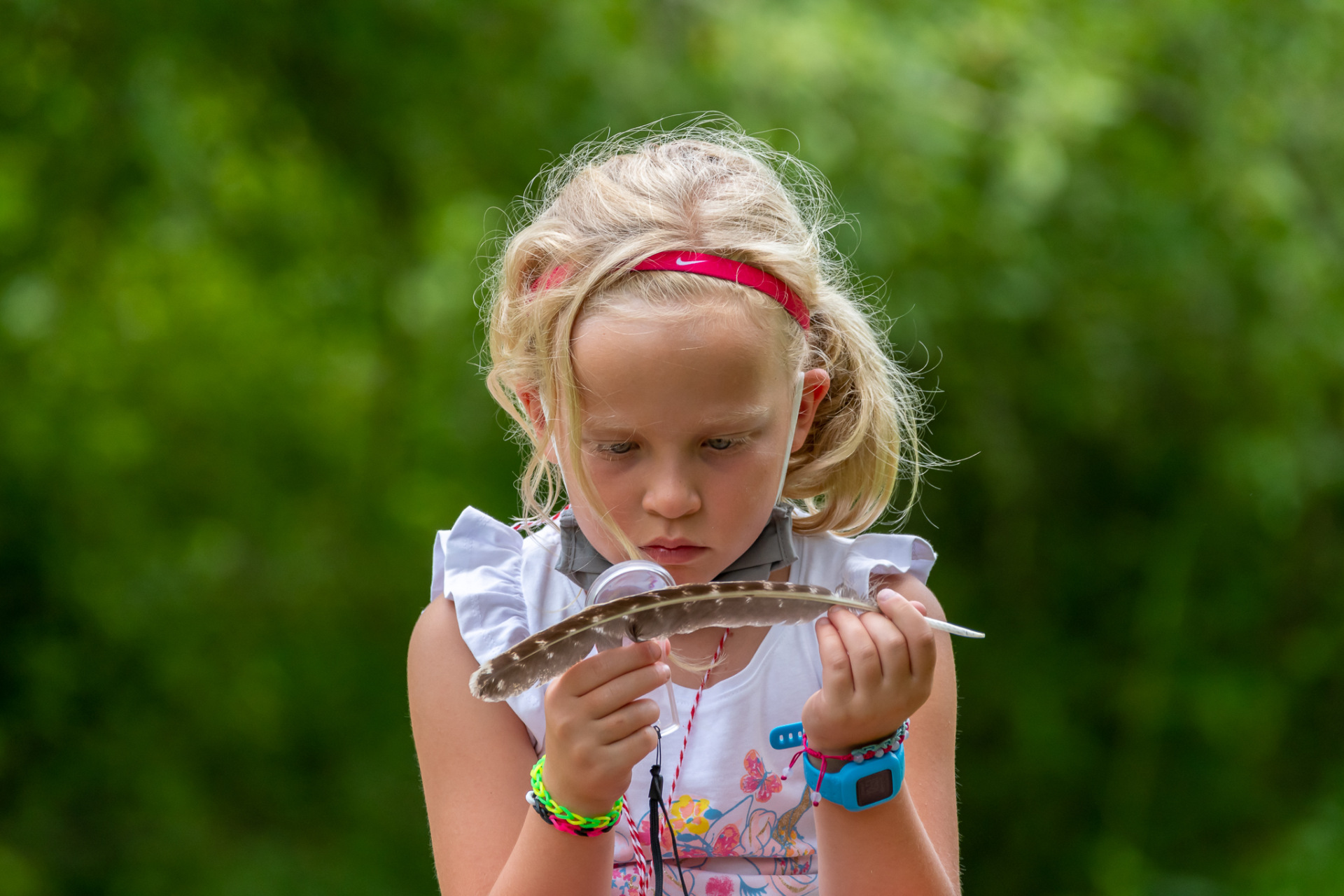
Students will explore the amazing world of birds through hands-on activities. Students will build bird nests, examine feathers, and discover how different bird beaks help them find food.
Students will:
• Identify key characteristics of birds including feathers, beaks, and nests, and explain how these features help birds survive
• Understand that different birds have different adaptations based on where they live and what they eat and recognize that not all birds eat the same foods or build the same nests.
- Cognition: C.48.1; C.60.1
- Early Language, Communications, and Literacy: L.48.1; L.60.2
- Early Mathematical Discovery: M.60.4;
- Early Scientific Inquiry: S.60.4; S.48.5; S.60.7; S.48.7
- Contact hkordula@ctaudubon.org for info
Exploring Weather
Students will discuss the term weather and describe different types of weather using their five senses. Students will observe their local weather conditions and record their findings. Additionally, students will conduct an observation and experiment on how clouds “make” rain.
Students will:
• Observe and predict what happens to the natural elements of their local habitat
• Learn the process of setting up and carrying out an experiment
- Cognition: C.48.1; C.60.1; C.60.7
- Early Language, Communications, and Literacy: L.48.1; L.60.2
- Early Mathematical Discovery: M.60.4; M.60.11
- Early Scientific Inquiry: S.60.2; S.60.4; S.48.10
- Contact hkordula@ctaudubon.org for info
Plant Power
Students will observe and draw different types of seeds and plants. Students will make predictions as to what plants need to grow and will conduct an experiment to test their ideas.
Students will:
• Observe and sketch different types of plants and seeds
• Participate in the scientific process of making predictions and conducting an experiment
- Cognition: C.48.1; C.36.4; C.60.1; C.60.7
- Early Language, Communications, and Literacy: L.48.1; L.60.2
- Early Mathematical Discovery: M.48.8; M.60.9
- Early Scientific Inquiry: S.60.2; S.60.3 S.60.4; S.48.2
- Contact hkordula@ctaudubon.org for info
Elementary School Grades K-5
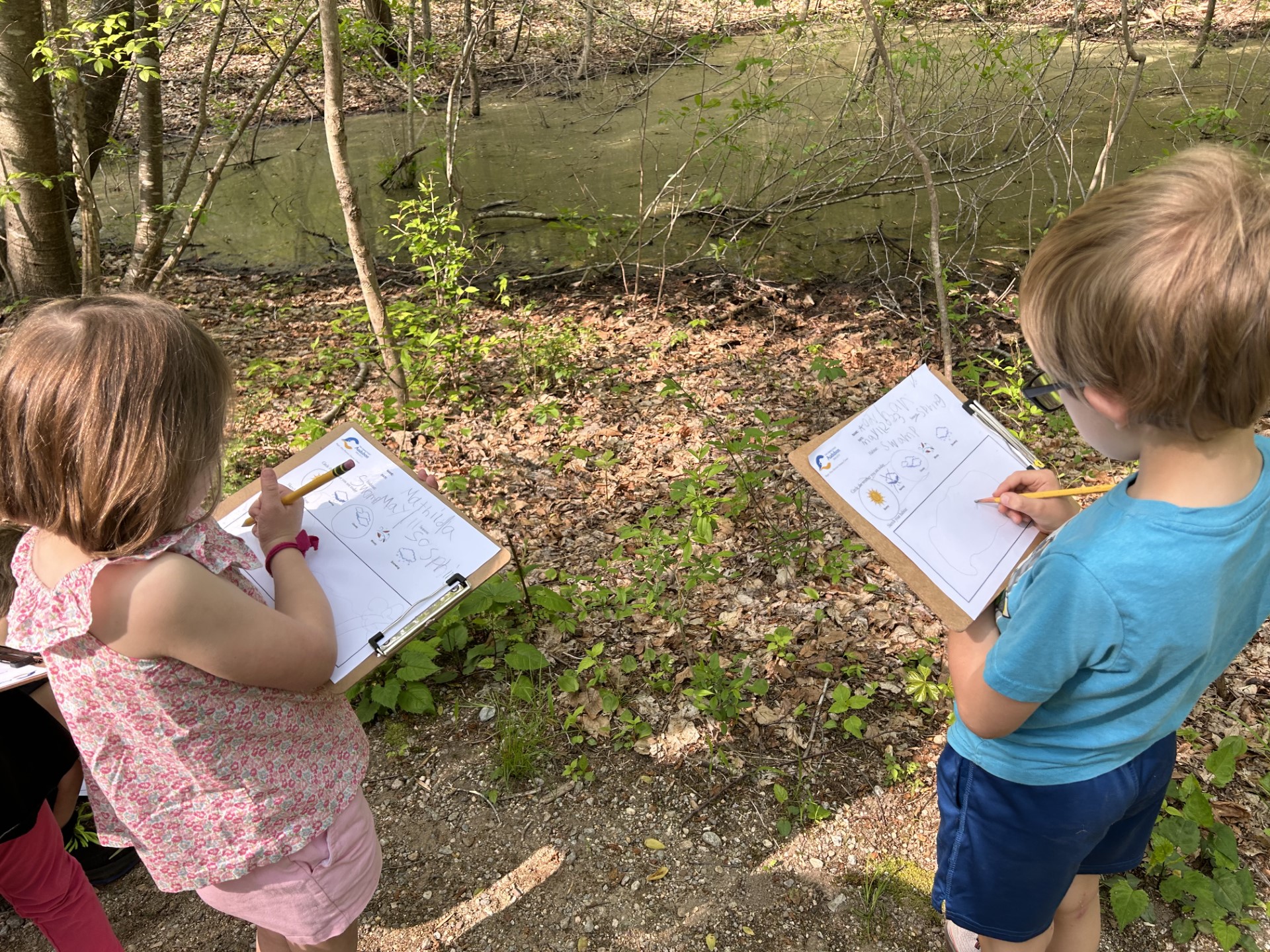
Weather and Seasons
Students will observe a local area seasonally (fall, winter, spring) throughout the school year and record observable changes to their surroundings (what happens to the plants and animals). Students will make predictions as to what will happen or change the following season.
Students will:
• Build observational skills and practice developing and testing predictions of their observations
• Observations will become more complex over time (including more detail, begin to label)
- NGSS Disciplinary Core Idea - K-ESS2.D
- NGSS Science and Engineering Practices - Analyzing and Interpreting Data
- NGSS Cross Cutting Concepts -Patterns
- Contact hkordula@ctaudubon.org for info
What do Plants and Animals Need to Survive
Students explore the idea of what plants and animals (including humans) need to survive.
Students will:
• Be able to describe what plants and animals (including humans) need to survive.
• Observe and list the types of organisms they see living in different habitats
- NGSS Disciplinary Core Idea -K-LS1.C
- NGSS Science and Engineering Practices - Analyzing and Interpreting Data, Developing and Using Models
- NGSS Cross Cutting Concepts - Patterns, Systems, and System Models
- Contact hkordula@ctaudubon.org for info
Animal Adaptations: Structures and Function
Students will learn that animals have external parts that help them survive in a particular habitat.
Students will:
• Build skills in connecting observations of animal structures with how those animals utilize those structures for survival.
• Recognize and identify examples of animal similarities and differences.
- NGSS Disciplinary Core Idea -1- LS1.A
- NGSS Science and Engineering Practices - Constructing Explanations and Designing Solutions
- NGSS Cross Cutting Concepts - Patterns, Structure and Function
- Contact hkordula@ctaudubon.org for info
Exploring Sound
Students will understand some common ways in which sound is represented visually, and gain practice in comparing visual and auditory representations of sounds using bird call and song as a focus. Students will learn about a spectrogram and how this tool is used. They will then create their spectrograms from several birds’ calls and songs.
Students will:
• Draw changes in sound duration and frequency using a spectrogram
• Learn how to identify the sounds of a few common CT bird species
- NGSS Disciplinary Core Idea - 1-PS4
- NGSS Science and Engineering Practices - Patterns
- Contact hkordula@ctaudubon.org for info
Plants, Seeds, and Dispersal
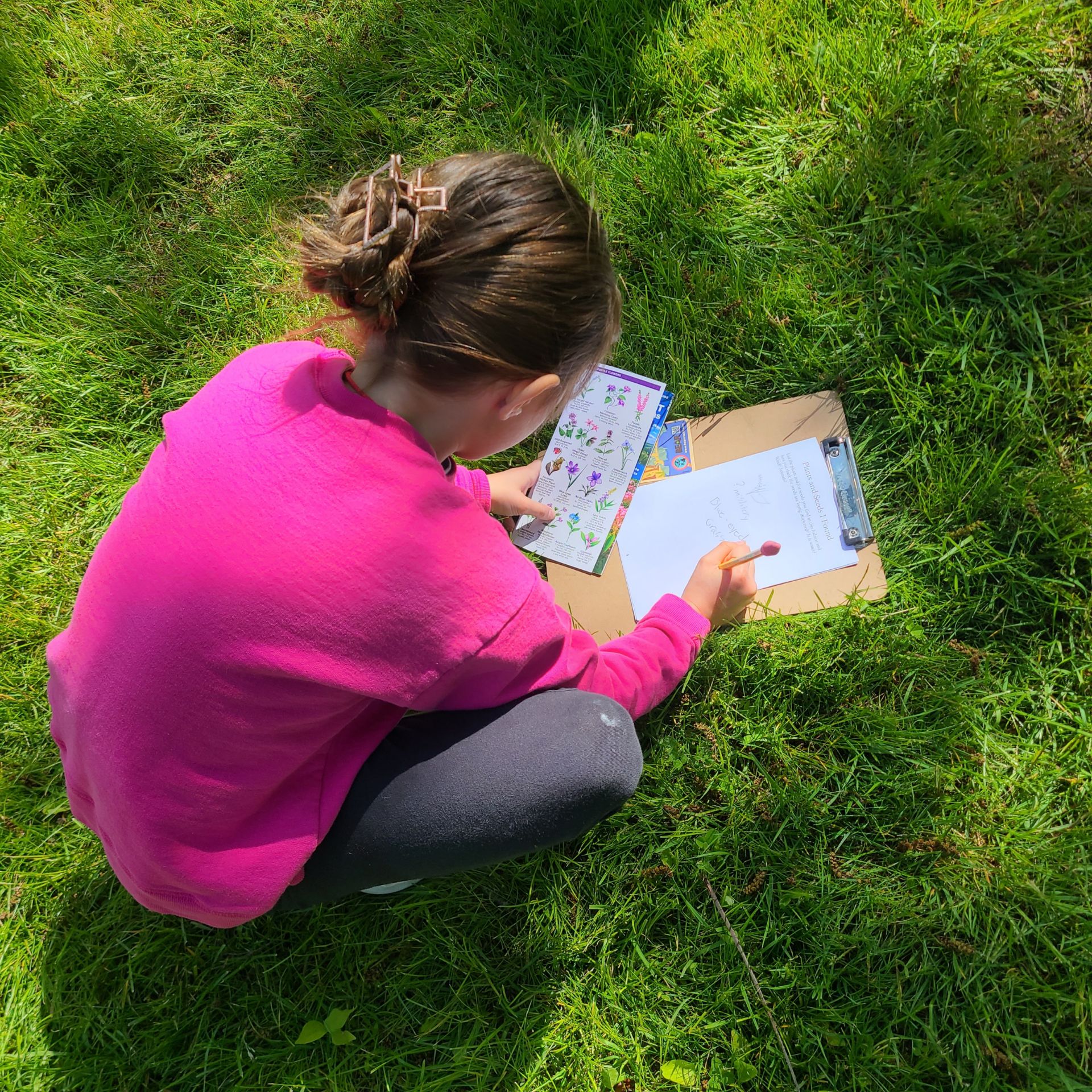
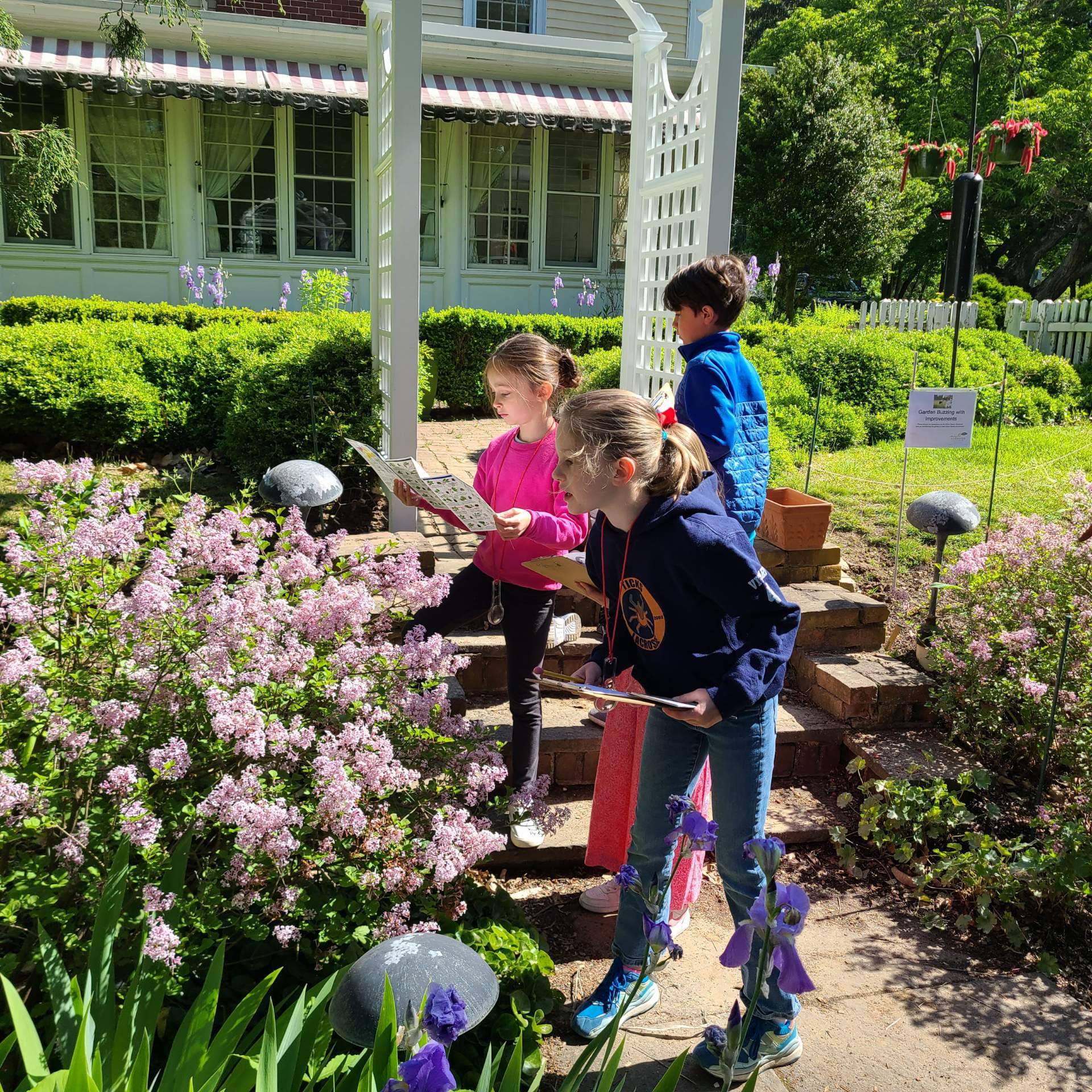
Students will investigate natural spaces and make observations of plants and signs of animals. Additionally, students will discuss and identify different seed dispersal techniques with a focus on how animals assist in this process.
Students will:
• Build observation skills and use evidence to connect plant and animal features with various seed dispersal strategies
• Compare different seeds and what in what habitats may be found
- NGSS Disciplinary Core Idea - 2-LS2.2
- NGSS Science and Engineering Practices - Planning and Carrying Out Investigations
- NGSS Cross Cutting Concepts - Structure and Function
- Contact hkordula@ctaudubon.org for info
Soils and Erosion
Students will experience water erosion in a hands-on investigation. Students will explore the concepts of water changing the earth’s surface. Students will make predictions, run an experiment, record their observations, and make changes to retest their experiment.
Students will:
• Test ideas and develop knowledge using exploration, investigations, and experimentation to modify their ideas as they change
• Understand the concept of water erosion and how water can change the earth’s surface
- NGSS Disciplinary Core Idea -2-ESS2-1
- NGSS Science and Engineering Practices - Planning and Carrying Out Investigations and Constructing Explanations and Designing Solutions
- NGSS Cross Cutting Concepts - Systems and System Models and Stability and Change
- Contact hkordula@ctaudubon.org for info
Humans and Habitats
Students will collect and analyze data on at least two habitats, look for evidence of human presence, and discuss the implications of how humans may have changed their habitat.
Students will:
• Compare and contrast at least two habitats focusing on human impacts
• Discuss their evidence of human impacts and the consequences of those impacts on the habitat
• Understand that human impact may be intentional or unintentional
- NGSS Disciplinary Core Idea - 3-LS4.D
- NGSS Science and Engineering Practices - Engaging in Argument from Evidence
- NGSS Cross Cutting Concepts - Systems and System Models
- Contact hkordula@ctaudubon.org for info
Weather, Plants, and Animals
Students will analyze weather phenomena of at least two habitats, and look for evidence of specific weather conditions. Students will interpret data on weather conditions and the affects on animal abundance, behavior, etc.
Students will:
• Be able to identify and describe weather patterns and conditions across different seasons
• Understand the use and importance of scientific technologies and instruments to accurately record data.
• Make meaning of their data with impact analysis of weather on animals in habitats
- NGSS Disciplinary Core Idea -3-ESS2.D
- NGSS Science and Engineering Practices -Analyzing and Interpreting Data
- NGSS Cross Cutting Concepts -Patterns
- Contact hkordula@ctaudubon.org for info
Animal Adaptations: Structure and Function
While on their AdapTour, students will witness and identify adaptations of various organisms in their natural habitats, which will help them understand the relationship between the adaptations of an organism and the characteristics of their surrounding environment. Students will learn how every trait of an organism is an adaptation for survival or reproduction.
Students will:
• Understand what adaptation is and what role it plays in an organism’s interactions with its environment
• Differentiate between behavioral and physical adaptations
• Distinguish between adaptations for survival and reproduction
- NGSS Disciplinary Core Idea - 4-LS1-1; 4-LS1-2
- NGSS Science and Engineering Practices - Planning and Carrying out Investigations
- NGSS Cross Cutting Concepts - Systems and System Models; Cause and Effect
- Contact hkordula@ctaudubon.org for info
Weathering and Erosion
Students will conduct mini-experiments to observe the effects of weathering by water and wind. Students will take measurements and reflect on the results of these mini-experiments. Students will also collect data at different habitats and observe examples of weathering or erosion in real life.
Students will:
• Understand the definition of weathering
• Observe, take measurements, and discuss the effects of weathering and compare these to real-world situations
• Brainstorm ways to monitor weathering around their home or schoolyard
- NGSS Disciplinary Core Idea - 4-ESS2-1
- NGSS Science and Engineering Practices - Planning and Carrying out Investigations
- NGSS Cross Cutting Concepts - Cause and Effect
- Contact hkordula@ctaudubon.org for info
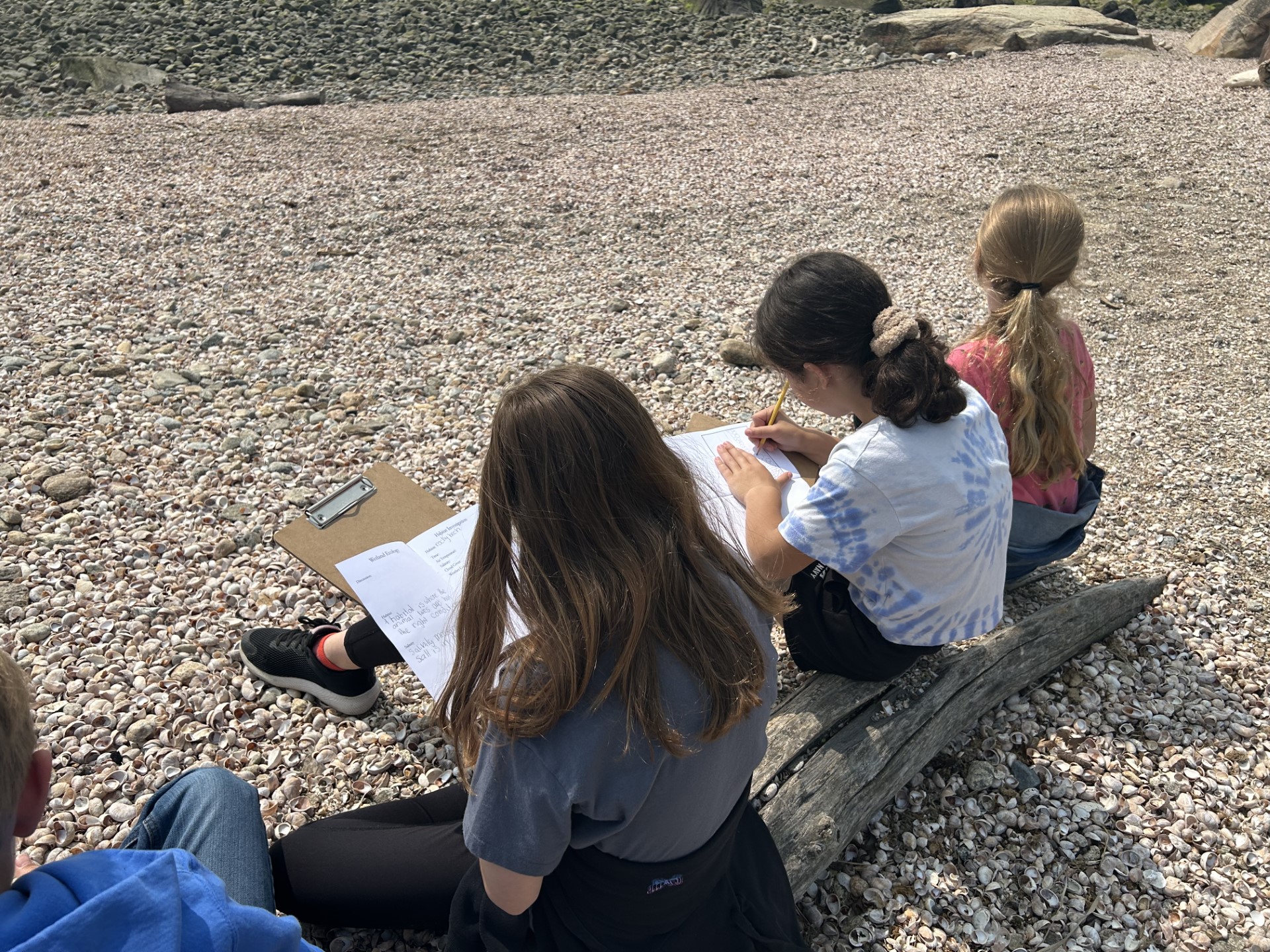
Wetland Ecology
Students will witness and identify adaptations of various wetland organisms in their natural habitats, which will help them understand the relationship between the adaptation of an organism and the characteristics of their surrounding environment. Students will learn how every trait of an organism is an adaptation for survival or reproduction. Students will also understand the movement of matter among plants, animals, decomposers, and the wetland environment.
Students will:
•Understand what an adaptation is and what role it plays in an organism’s interactions with its environment
•Understand the movement of matter among plants, animals, decomposers, and the wetland environment
•Differentiate between behavioral and physical adaptation
• Understand the importance wetlands play
- NGSS Disciplinary Core Idea - 4-LS1-1
- NGSS Science and Engineering Practices - Engaging in Argument from Evidence and Planning and Carrying Out Investigations
- NGSS Cross Cutting Concepts - Systems and System Models and Cause and Effect
- Contact hkordula@ctaudubon.org for info
Ecosystems: Interactions, Energy, and Dynamics
Students will witness and identify adaptations of various organisms in their natural habitats, which will help them understand the relationship between the adaptations of an organism and the characteristics of their surrounding environment. Students will explore how energy is transferred throughout an ecosystem, how an organism’s adaptations help them obtain that energy, and how all organisms rely on one another.
Students will:
• Understand what adaptation is and what role it plays in an organism’s interactions with its environment
• Explore how energy is transferred throughout an ecosystem and how adaptations allow organisms to obtain that energy
• Differentiate between behavioral and physical adaptations
- NGSS Disciplinary Core Idea - 5-LS2.A; 5-LS2.B
- NGSS Science and Engineering Practices - Developing and Using Models
- NGSS Cross Cutting Concepts - Systems and System Models
- Contact hkordula@ctaudubon.org for info
Water Cycle
Students will visit at least two habitats on site and investigate the presence of water in each habitat. Students will complete activities to develop their understanding of water as a natural resource, water pollution, water’s location and movement on Earth, and as a molecule through the water cycle.
Students will:
• Gain an understanding of water’s distribution on Earth and its relatively limited availability for human use.
• Understand that water goes through cycles and is a carrier of natural and man-made materials
- NGSS Disciplinary Core Idea - 5-ESS2.A; 5- ESS2.C
- NGSS Science and Engineering Practices - Using Mathematics and Computational Thinking
- NGSS Cross Cutting Concepts - Scale, Proportion, and Quantity
- Contact hkordula@ctaudubon.org for info
Middle School Grades 6-8
Competition for Resources
Students collect field data, make observations, and model phenomena. While examining the presence and abundance of organisms, students consider the roles of resource limitations and interactions among those organisms.
Students will:
• Gain an understanding of the influence of limited resources and competitive interactions among organisms
• Collect and analyze data to address the correlation of resources (abiotic factors) with the presence/absence and abundance of plant and animal species (biotic)
• Use evidence and other data to predict the future of CT flora and fauna.
- NGSS Disciplinary Core Idea - MS-LS2.A; MS-LS2-3
- NGSS Science and Engineering Practices - Developing and Using Models
- NGSS Cross Cutting Concepts - Patterns, Cause and Effect, Energy and Matter
- Contact hkordula@ctaudubon.org for info
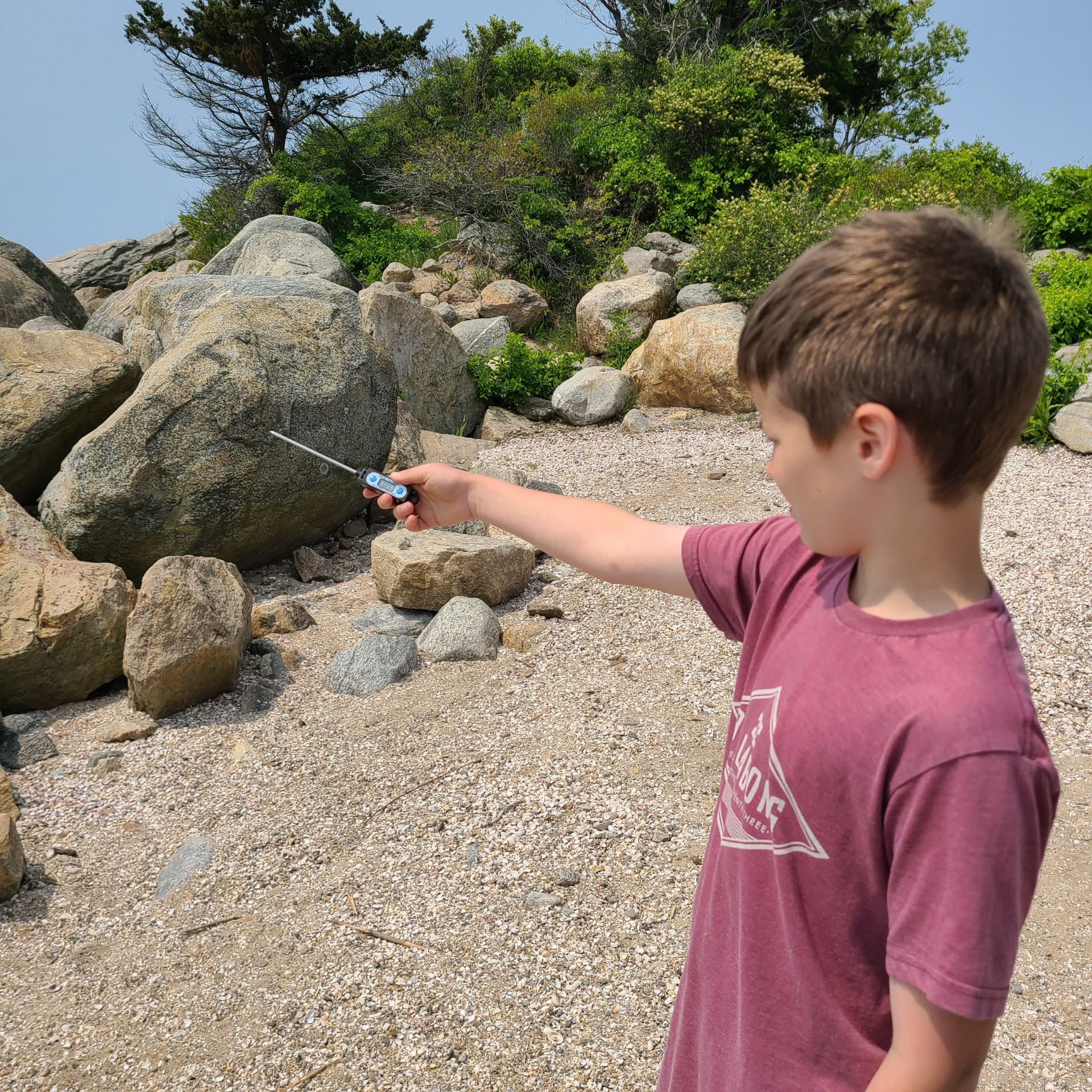
Weather and Climate
Students will visit various habitats including a paved area to determine air temperature, soil, temperature, soil moisture, cloud type, and types of plants and animals that live there and how they may be affected. Students will conduct an experiment of their design on different surface types and their potential effect on air temperature in a habitat.
Students will:
• Examine human impact on habitats over time
• Conduct an experiment on different surface types of their effect on temperature
- NGSS Disciplinary Core Idea - MS-ESS3-3
- NGSS Science and Engineering Practices - Constructing Explanations and Designing Solutions
- NGSS Cross Cutting Concepts - Cause and Effect
- Contact hkordula@ctaudubon.org for info
High School Grades 9-12
Bird Ecology in the Connecticut River Watershed
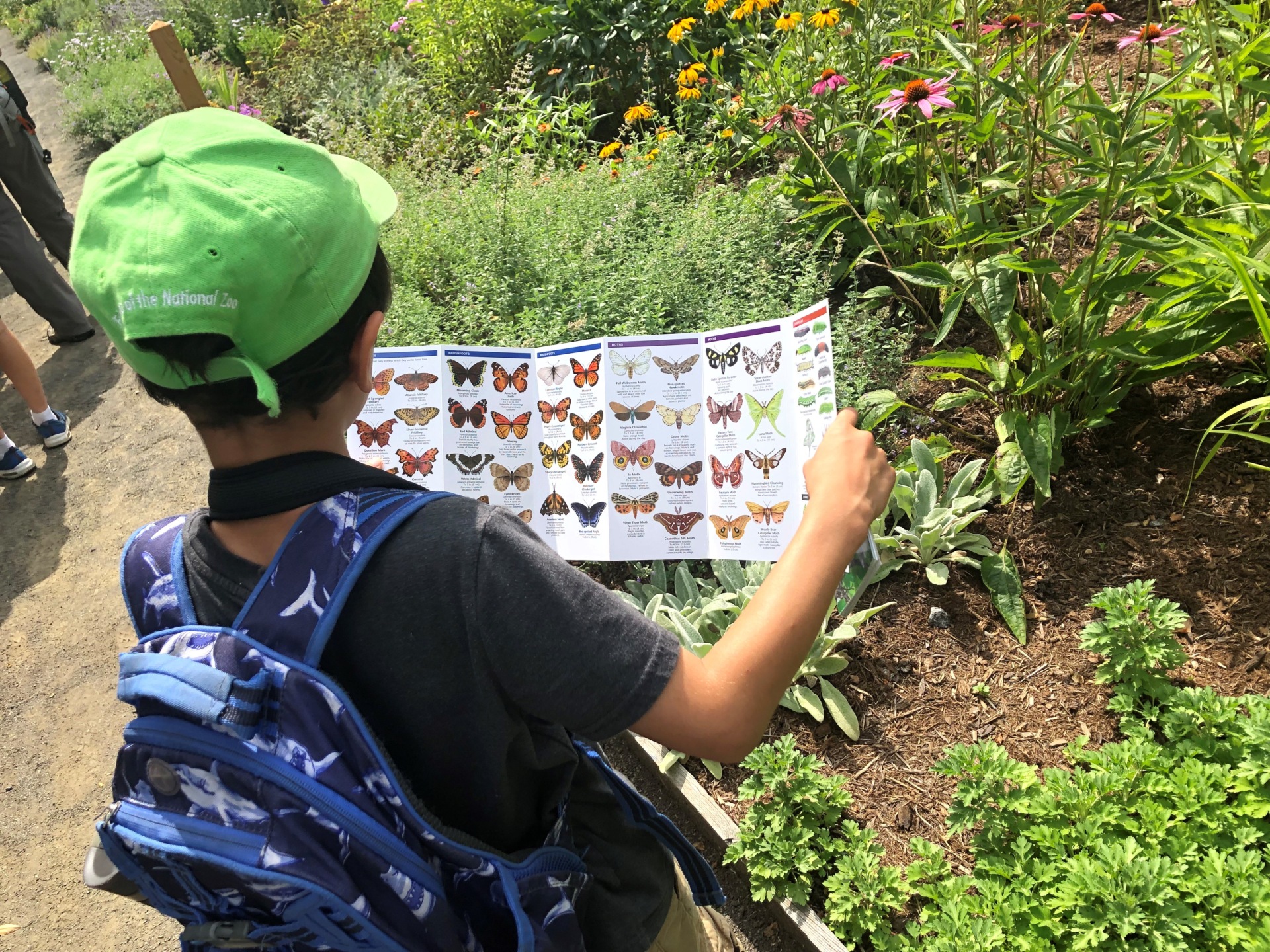
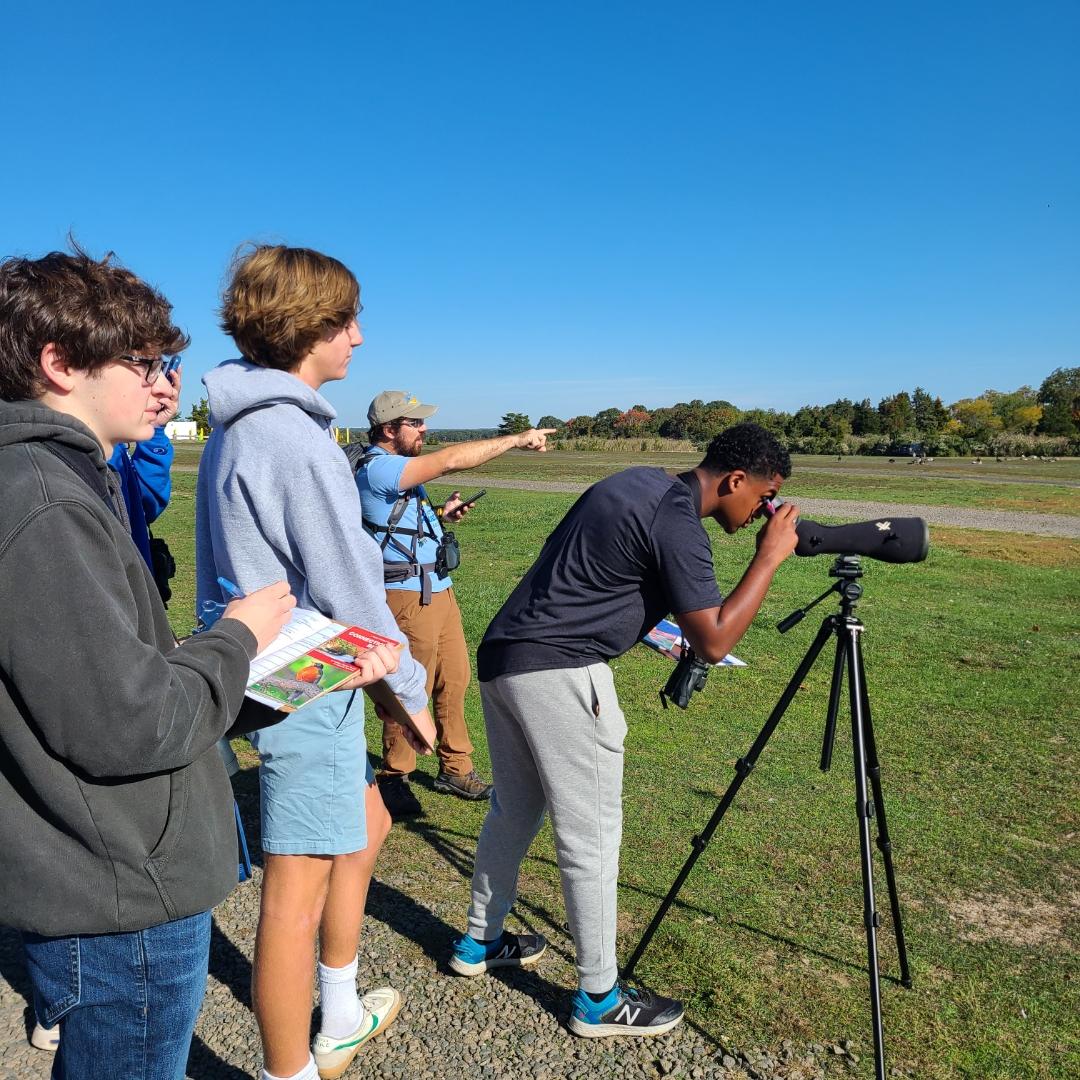
Students will learn the skills and equipment needed to effectively identify birds in the field and use these skills to search for and identify birds in their schoolyard and at an offsite location. Students will learn how to conduct a bird count and compare data between two different locations. Students will also discuss if human impact on an environment has an effect on the number and diversity of bird species found.
Students will:
• Learn how to use binoculars, field guides, and apps to locate and identify birds
• Learn what characteristics to look for in identifying birds in the field and where to find them
• Be able to identify common species of the CT River Watershed out in the field by sight and sound
• Compare birds found onsite at school versus at an offsite location and document through the use of the eBird app and Merlin Bird ID.
- NGSS Disciplinary Core Idea - HS-L24-5
- NGSS Science and Engineering Practices - Engaging in Argument from Evidence
- NGSS Cross Cutting Concepts - Cause and Effect, Stability and Change
- Contact hkordula@ctaudubon.org for info