School Programs in Greater Hartford Region
We offer educational programs at your school, a local park or other natural space in the Greater Hartford region.
Our award-winning Science in Nature programs are designed to offer hands-on, inquiry-based activities related to earth and life sciences, ecology, conservation and civic engagement for grades K-12. Each program is aligned with the Next Generation Science Standards (NGSS).
While a specific grade level may be recommended, we can work with you to modify programs to better suit your grade level and the needs of your students and location.
Greater Hartford Region School Programs
Kindergarten
What’s the Weather?
Students observe their schoolyard or local natural area at various times throughout the school year and participate in a search for “signs of the season”. They quantify their weather observations by measuring current weather conditions and make predictions as to what will happen as the seasons change.
- NGSS Disciplinary Core Idea- ESS2.D
- NGSS Science and Engineering Practice- Analyzing and Interpreting Data
- NGSS Cross Cutting Concept- Patterns
- $175
What Do Birds Need?
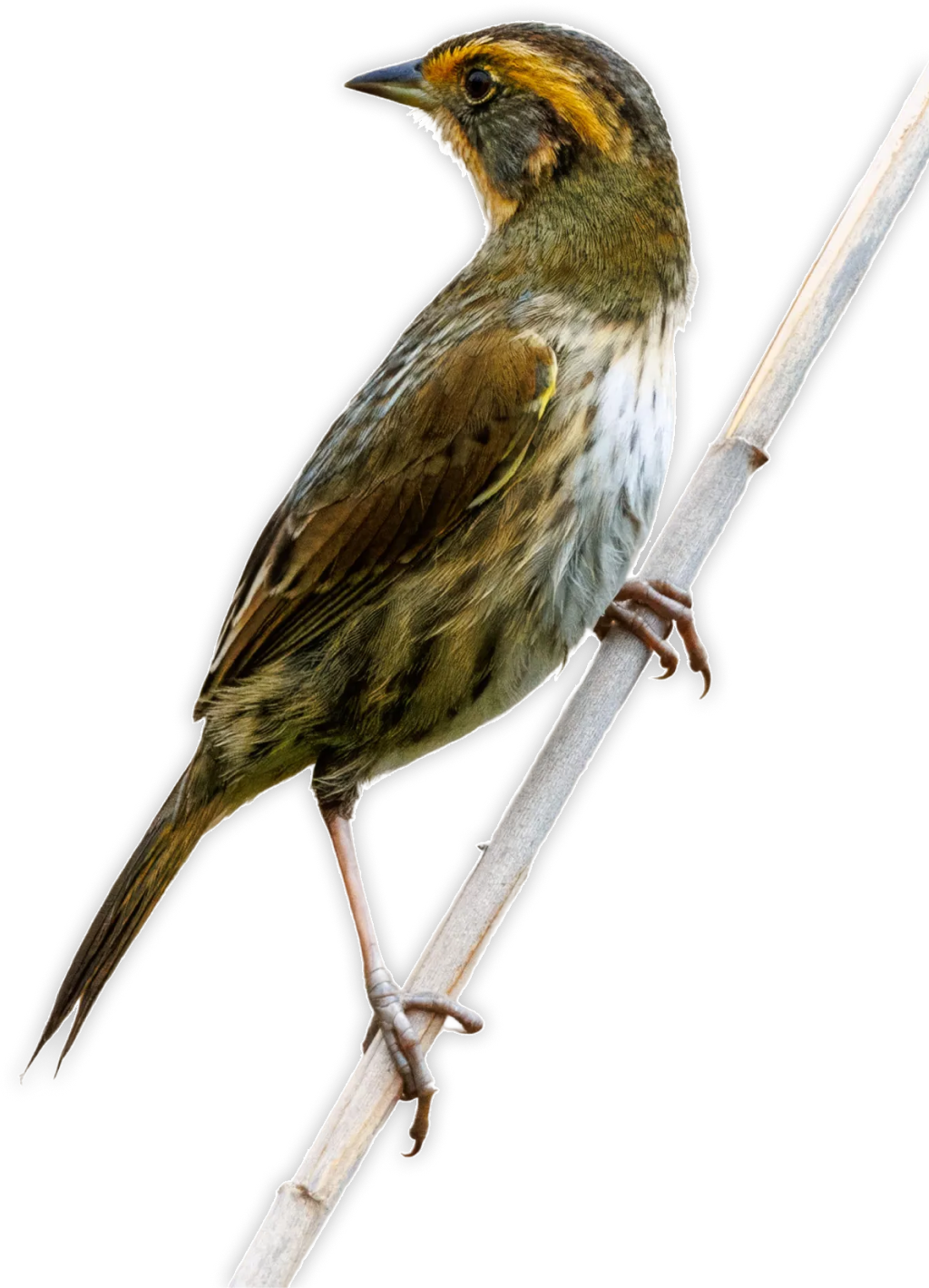
Students will explore their schoolyard and attempt to answer: Does our schoolyard have what birds need to live?
- NGSS Disciplinary Core Idea- LS1
- NGSS Science and Engineering Practice- Analyzing and Interpreting Data
- NGSS Cross Cutting Concept- Patterns
- $175
Grades 1-5
Plant and Animal Superpowers
There are two versions of this program depending on the season of the visit. They can stand alone or be done in a sequence. Winter visit: Students will learn about behaviors and body parts which help animals survive the winter in CT. Spring visit: Students will learn about the role of different plant parts in the plant’s survival and search out examples of these plant parts.
Students will:
• Build skills in connecting observations of animal and plant structures with how living things utilize those structures for survival.
• Recognize the variety and similarity of body parts required for survival
- NGSS Disciplinary Core Idea – 1-LS1.A
- NGSS Science and Engineering Practices – Constructing Explanations and Designing Solutions
- NGSS Cross Cutting Concepts – Patterns, Structure and Function
- $175 per hour
Seeds in Motion
Students will investigate their schoolyard to find and document the variety of seeds. They will learn that seeds need to disperse to find a suitable location to grow and can do so in a variety of ways. Focus is on dispersal aided by animals.
Students will build observation skills and use evidence to connect plant and animal features with various seed dispersal strategies
- NGSS Disciplinary Core Idea – 2-LS2.A
- NGSS Science and Engineering Practices – Planning and Carrying Out Investigations
- NGSS Cross Cutting Concept – Structure and Function
- $175 per hour
Seasonal Life Cycles
An investigation of Connecticut’s seasonal climate, the current weather conditions and the current activities of local plants and animals.
Students will:
● Understand that CT has a seasonal climate and therefore plant and animal life cycles are tied to season
● Consider how seasonal changes dictate the availability of resources necessary for survival and reproduction
● Explore how plants and animals time their reproduction to take advantage of changes in conditions/resources with the change in seasons
- NGSS Disciplinary Core Idea- LS1.B, ESS2.D
- Science and Engineering Practices- Analyzing and Interpreting Data, Obtaining, Evaluating and Communicating Information
- Crosscutting Concepts- Patterns
- $175 per hour
Where’s the Water?
Students will investigate to find water and signs of water in their schoolyard (signs of the movement of water (erosion), downspouts, storm drains, relative humidity, clouds, and soil moisture in different areas of the school yard). They will connect the water at school with the greater water cycle, think about how their place in the CT River watershed and use the Enviroscape watershed model to connect their actions with the quality of water downstream (sediment, litter, and other pollutants).
As part of this program, students will:
• Better understand their place in the water cycle and the CT River watershed
• Connect their actions on a local level with the quality of water downstream
• Consider ways they can take action
- NGSS Disciplinary Core Ideas – 5ESS2.A, 5LS2.B , 5ESS3.C , 4ESS3
- NGSS Science and Engineering Practice – Developing and using models
- NGSS Cross Cutting Concept – Cause and Effect, Systems and Systems Models
- $175 per hour
Ecosystem Study
Students will compare and contrast two habitats to understand the relationship between adaptations of organisms and the characteristics of their habitat. They will organize species into a food web to learn about how energy is transferred throughout an ecosystem and how species depend on that transfer of energy and one another for survival. Finally they will consider human impacts on the habitats they observe and think about the effect of disruptions to the food web.
Students will:
• Understand what adaptations are and the role they play in an organism’s interactions with its environment
• Explore how energy is transferred throughout an ecosystem and how adaptations allow organisms to obtain that energy
• Consider the potential impact of human activities on the suitability of a habitat and the flow of energy
- NGSS Disciplinary Core Idea- 5-LS2
- NGSS Science and Engineering Practice
- NGSS Cross Cutting Concept
- $175 per hour
Climate Programs- 5th and Middle School
Trees and Climate
What is the value of a tree? Is it shade? Habitat?
Students will ponder the value of a tree in helping solve climate change. Trees don’t just provide much needed shade. They also act as a carbon “sink”. Trees and other plants take carbon from the atmosphere during photosynthesis and use it to grow. By storing carbon, plants take it out of the atmosphere and help lessen climate change.
Students will:
• Discover how trees can be valuable in helping “fix” the problem of human-caused climate change
• Learn how to measure trees to determine Carbon storage
• Consider ways to use this knowledge to help with climate change
- NGSS Disciplinary Core Idea – LS2, ESS3
- NGSS Science and Engineering Practices – Developing and Using Models, Planning and Carrying Out Investigations
- NGSS Cross Cutting Concept – Systems and System Models, Stability and Change
- $175 per hour
What’s Up With Carbon?
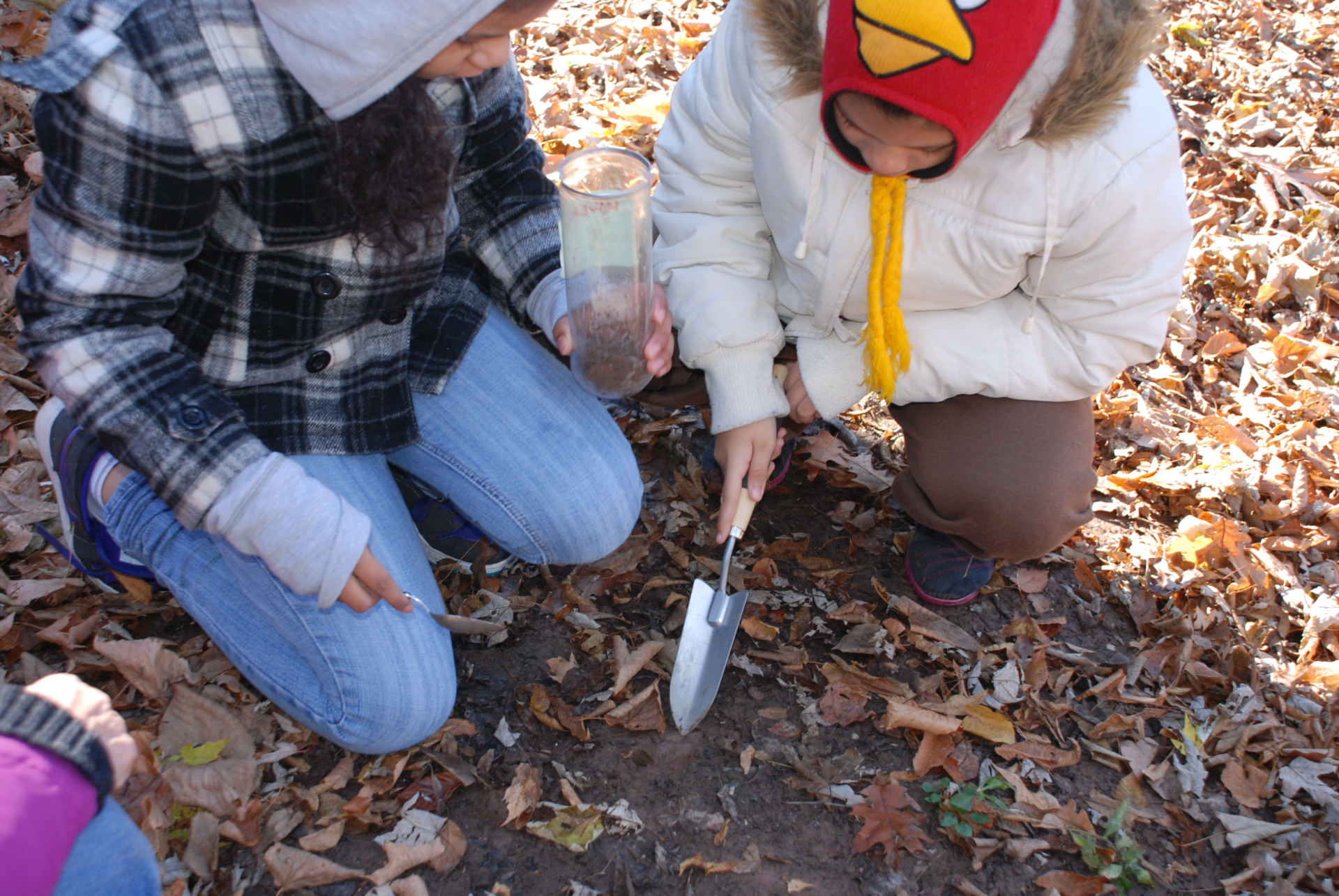
Students will have a basic introduction to what carbon is, the forms it takes, and what role CO2 plays in the atmosphere. Through the carbon cycle game, students will be introduced to the carbon cycle and the mechanics of human-caused climate change. The idea of carbon sources and sinks will be introduced. Students will participate in the examination of and comparison of soils and consider the role of soil as a carbon sink. Links to composting.
Students will:
• Be introduced to the carbon cycle and the mechanics of human-caused climate change
• Consider soil as a carbon sink and the value of composting as a tool to slow release of carbon into the atmosphere
- NGSS Disciplinary Core Idea – ESS2, ESS3, PS1, LS2
- NGSS Science and Engineering Practices – Developing and Using Models, Planning and Carrying Out Investigations
- NGSS Cross Cutting Concept – Systems and System Models, Stability and Change
- $175 per hour